


Welding fumes are a byproduct of the process, and they should not be ignored. Without proper control, they can affect air quality, reduce visibility, and create health risks over time.
Managing fumes is a practical requirement in any welding environment. It involves using the right equipment, maintaining proper ventilation, and following consistent safety practices.
This guide explains how to control welding fumes effectively, the factors that affect fume exposure, and how to maintain a safer working environment without disrupting productivity.
How to Manage Hazards Associated with Welding Fumes
When welding, you must take certain steps to manage welding fumes for safety and health. These include:
Use Effective Ventilation Systems
Ventilation is the primary method for controlling welding fumes. Local exhaust ventilation systems are designed to capture fumes directly at the source before they spread into the surrounding air. These systems use extraction arms or hoods positioned close to the weld point.
General ventilation, such as fans or open airflow, can support air movement but should not replace fume extractors. For enclosed or indoor environments, a properly designed ventilation system is essential to maintain safe air quality.
Position Extraction Close to the Source
The effectiveness of fume control depends on placement. Fume extraction systems must be positioned as close as possible to the weld pool to capture fumes immediately. If the distance is too great, fumes can disperse before being removed.
Consistent positioning improves efficiency and reduces the amount of contaminated air in the workspace. You can use adjustable extraction arms to maintain proper placement during different tasks.
Use Appropriate Respiratory Protection
Respiratory protection is necessary when ventilation alone does not provide sufficient control. This includes respirators designed specifically for welding environments. Options range from disposable masks to powered air-purifying respirators (PAPRs), depending on the level of exposure.
Maintain Equipment and Work Areas
Fume control systems require regular maintenance to perform effectively. Filters, ducts, and extraction units should be inspected and cleaned to prevent reduced airflow or system failure. Poorly maintained equipment can lead to increased exposure.
Work areas should also be kept clean and organized. By removing unnecessary materials and ensuring clear airflow paths, you'll improve ventilation efficiency and reduce fume buildup.
Adjust Work Position and Technique
You should position yourself to avoid breathing fumes. Standing upwind of the weld and keeping your head out of the fume plume reduces inhalation risk. Controlling heat input and using appropriate welding settings can help reduce fume generation during the process.
Choose Low-Fume Welding Materials and Processes
Material selection affects fume production. Some consumables and coatings produce more harmful fumes than others when heated. Where possible, use low-fume welding wires, rods, and materials to help reduce exposure. You should also select welding and cutting processes that generate less fume for a given task, as this can improve overall air quality without affecting productivity.
Implement Safe Work Practices
Consistent safety practices are essential. This includes following established procedures, using protective equipment correctly, and maintaining awareness of air quality conditions. Regular monitoring of the work environment, including air quality checks where necessary, helps identify potential issues early.

Health Effects of Welding Fume Exposure
Welding fumes are composed of fine metal particles and gases released during welding. The composition of these fumes depends on the materials, coatings, and welding method used. Exposure can affect the body in different ways, ranging from short-term irritation to long-term health conditions. Let's take a look at the different types of fumes and their effects.
Metal Fumes
Metal fumes are produced when base materials or filler metals are heated and vaporized. Common elements include iron, manganese, chromium, and nickel.
Short-term exposure can cause irritation of the eyes, nose, and throat, along with coughing or dizziness. In some cases, exposure to certain metals can lead to metal fume fever, a flu-like condition linked to inhaling fumes from heated metals. Long-term exposure increases the risk of more serious respiratory and neurological issues.
Gaseous Byproducts
Welding processes also produce gases such as ozone, nitrogen oxides, and carbon monoxide, as well as shielding gases. These gases can accumulate in poorly ventilated or confined spaces.
Short-term effects include headaches, chest tightness, and difficulty breathing. In higher concentrations, some gases can reduce oxygen levels or interfere with normal lung function. Prolonged exposure to these toxic gases may contribute to ongoing respiratory problems and reduced lung capacity.
Coating and Surface Contaminants
Materials with coatings, such as paint, galvanization, rust inhibitors, or chemical treatments, can release additional toxic fumes when welded. For example, welding galvanized steel can produce zinc oxide fumes.
Exposure to these fumes may cause metal fume fever, which includes symptoms such as fever, chills, nausea, and fatigue. Repeated exposure can lead to more serious health problems, particularly if proper ventilation and protection are not used.
Fine Particulate Matter
Welding fumes contain fine particles that can penetrate deep into the lungs. These particles are not always visible but can accumulate over time with repeated exposure.
Short-term exposure may cause throat irritation and breathing discomfort, while long-term exposure increases the risk of chronic lung conditions and reduced respiratory function.

Importance of a Well-Ventilated Workspace
Welding workspaces must have good ventilation for several reasons, such as:
Controlling Fume Concentration
Ventilation plays a direct role in keeping fume levels under control and mitigating the common welding hazards associated with welding fumes. Systems designed to extract fumes in the welding arc prevent them from spreading into the welder's breathing zone. This reduces overall exposure and helps maintain consistent air quality. In enclosed areas, proper ventilation is critical to prevent the buildup of toxic substances.
To learn more about common welding hazards and how you can manage hazards associated with breathing in welding fumes, read our article: Is Welding Bad For Your Health?
Supporting Worker Health
Clean air is a key factor in reducing both short-term and long-term health risks. Ventilation limits the amount of harmful particles and gases that workers inhale during welding. Over time, consistent air control helps reduce the risk of respiratory issues and other health complications linked to fume exposure.
Improving Visibility and Work Quality
Fume buildup can reduce visibility, making it harder to work with precision. A well-ventilated environment keeps the air clear, allowing welders to maintain accuracy and consistency. Improved visibility also reduces the likelihood of errors, supporting better overall weld quality.
Enhancing Overall Safety
Ventilation contributes to a safer work environment by reducing exposure to hazardous fumes and maintaining controlled conditions. It supports compliance with safety regulations and helps create a more stable workspace. When air quality is managed effectively, the risk of accidents and health-related issues is reduced.
Maintaining Consistent Working Conditions
A well-designed ventilation system helps maintain stable air quality throughout the workday. This consistency allows welders to focus on their tasks without interruption. Reliable airflow supports productivity while ensuring that safety standards are consistently met.

Using Welding Helmets and PPE Effectively
Welding helmets and personal protective equipment (PPE) play a critical role in reducing exposure to fumes and other hazards. They do not replace ventilation, but they provide an essential layer of protection when used correctly. Proper selection, fit, and consistent use are key to ensuring effectiveness.
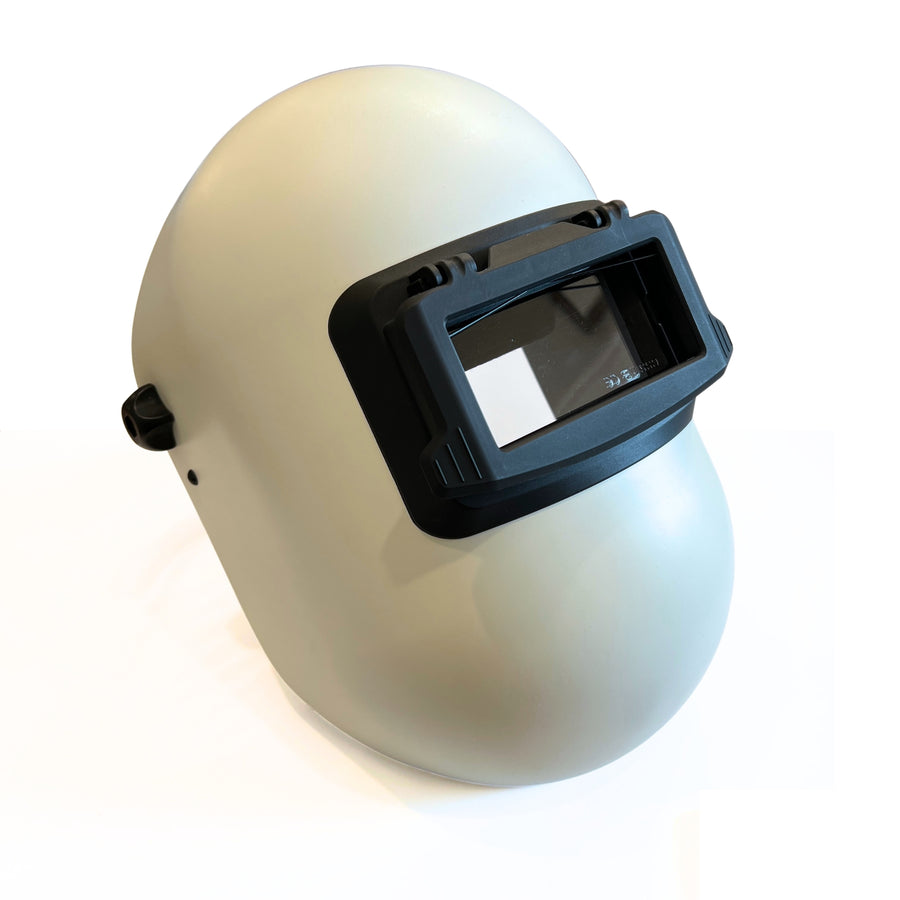
Welding Helmets and Respiratory Protection
Modern welding helmets are designed to protect the eyes and face from sparks, heat, and radiation. Many models can also be paired with built-in or compatible respiratory systems to help reduce fume inhalation. Respiratory protective equipment, like powered air-purifying respirators (PAPRs), delivers filtered air into the helmet, improving both protection and comfort in high-exposure environments.
Choosing the right welding hood depends on the type of welding and the level of exposure. Clear visibility, proper shading, and compatibility with respiratory protection are all important factors.
Selecting the Right PPE
Different welding environments require different levels of protection. In addition to helmets, PPE may include respirators, gloves, protective clothing, and eye protection. The goal is to create a barrier between the welder and potential hazards such as heat, sparks, and airborne particles.
Equipment should meet safety standards and be suitable for the specific materials and processes being used. For example, different lens colors provide different features. This welding lens color guide can help you choose the right option. Using the correct PPE reduces risk and supports consistent, safe performance.
Ensuring Proper Fit and Comfort
PPE is only effective if it fits correctly. Ill-fitting equipment can leave gaps, reduce protection, and make it harder to work efficiently. Helmets and respirators should be adjusted to create a secure seal without restricting movement or visibility.
Comfort is also important. Equipment that is difficult to wear for long periods is less likely to be used consistently. Well-fitted PPE supports both safety and productivity.
Regular Inspection and Maintenance
Welding helmets and PPE require routine checks to remain effective. Filters, welding lenses, and seals should be inspected for damage or wear and replaced when necessary. Poorly maintained equipment can reduce protection and increase exposure to hazards.
Consistent Use in All Conditions
Protective equipment should be used at all times during welding operations, regardless of the task's duration or scale. Even short periods of exposure can have cumulative effects over time. Consistent use of helmets and PPE helps maintain a controlled level of risk and supports long-term safety in the workplace.

Frequently Asked Questions
How Dangerous Are Welding Fumes in Everyday Work?
Welding fumes can be harmful if not properly controlled. Short-term exposure may cause irritation, dizziness, or breathing discomfort, while long-term exposure can lead to serious respiratory issues. The level of risk depends on the materials used, the duration of exposure, and the effectiveness of ventilation and protective measures.
Is Ventilation Alone Enough to Manage Welding Fumes?
Ventilation is essential, but it is not always enough on its own. Effective fume control usually requires a combination of local exhaust systems, general airflow, and personal protective equipment.
What Type of Respirator Is Best for Welding Fumes?
The best respirator depends on the level of exposure and the type of welding being performed. Basic masks may be suitable for low-risk tasks, while more advanced options, such as powered air-purifying respirators, are used in high-exposure environments.
Can Welding Fumes Affect You Even With Short Exposure?
Yes, even short exposure to welding fumes can cause immediate symptoms such as eye irritation, headaches, or nausea, especially in poorly ventilated areas. While the effects may seem minor, repeated short exposures can add up over time.
Conclusion
Managing welding fumes is a practical requirement for maintaining a safe and efficient work environment. It involves controlling fumes at the source, ensuring proper ventilation, and consistently using the right protective equipment.
No single method is sufficient on its own. You can effectively control welding fumes by combining systems, safe work practices, and regular maintenance. When these measures are applied consistently, they reduce health risks and support long-term productivity.