


If you’ve spent any time under the hood, you’ve probably heard the old-timers talk about "toughing it out" or drinking a gallon of milk to "neutralize" the fumes. The truth is, welding is a high-skill, high-reward career, but it does come with some real-world health risks that milk can't fix. Whether you’re a hobbyist in your garage or a pro on a structural job, understanding what those welding fumes and flashes actually do to your body is the first step to a long career.
We’re going to walk through the science of what’s happening when that arc strikes and, more importantly, how you can use the right gear to keep yourself in the game for the long haul. Because, let's be honest, asking "is welding bad for your health?" is an important question for professionals who value their longevity.
What Causes Welding Fumes?
Boiling Point
Welding fumes are created when the metal is heated past its boiling point, turning it into a vapor that cools into fine particles. These tiny pieces of metal are small enough to settle deep in your lungs, where they cause the most damage.
When you weld, you are breathing a complex mixture of metallic oxides like iron, nickel, and sometimes hexavalent chromium. These toxic fumes vary in danger depending on the specific welding process and materials you are using.
Silicates and Fluorides
These chemicals are often found in the flux of welding rods and can be extremely irritating to your respiratory system. They add to the health risks by causing immediate inflammation of the throat and lungs during welding operations.
The amount of fume exposure changes depending on whether you are using MIG, TIG, or Stick welding techniques. Stick welding generally produces the most metal fumes, requiring even more adequate ventilation to protect workers.
Coating Hazards
Welding over paint, oil, or galvanized coatings can release hazardous gases such as carbon monoxide and hexavalent chromium. These coatings change the chemical makeup of the welding fumes, often making them much more toxic than the base metal alone.
What Welding Actually Does to Your Lungs and Body
Metal Fume Fever
This common acute respiratory health effect causes flu-like symptoms, such as chills and aches, after exposure to welding fumes. It often hits at the start of the work week because your body loses the temporary tolerance it built up over the previous days.
Pneumonia Risks
Workers exposed to welding fumes are at a significantly increased risk of developing pneumococcal pneumonia. Pairing proper ventilation with a quality hood and
auto-darkening welding lens also helps you keep your head in a safer position, so you are not breathing straight through the plume every time you strike an arc. The inhaled fine particles damage the lungs' natural defenses, making it much easier for a serious infection to take hold.
Occupational Asthma
Constant fume exposure can cause your airways to become hypersensitive, leading to occupational asthma. Safe welding practices and adequate ventilation are essential to prevent long-term wheezing and breathing difficulties.
Concerns Regarding COPD
Chronic obstructive pulmonary disease (COPD) is one of the more serious chronic health risks associated with the trade. Years of inhaling toxic fumes can lead to permanent damage to the air sacs in your lungs, severely limiting your lung function.
The Monday Effect
Many welders experience worse health effects on Monday because their physical resistance to fume exposure drops during the weekend. This cycle of feeling ill at the start of the week is a clear sign that the ambient air in your welding area needs better air filtration.

Ridge Products Welding
⭐⭐⭐⭐⭐ from 50,000+ reviews
Shop NowWhy You Need to Watch Out for Manganese When Welding
Manganism Symptoms
Exposure to welding manganese, which is found in most mild steel, can lead to serious neurological symptoms. This condition, known as Manganism, often results in tremors, slowness of movement, and a "mask-like" facial expression.
Parkinson’s Similarities
The damage caused by manganese in welding fumes is often misdiagnosed because it mimics Parkinson’s disease so closely. It is a significant risk for many welders who work with welding rods on common steel projects without a fume extractor.
Issues With Balance and Speech
As these metal fumes build up in the system, they can begin to affect your physical coordination and the clarity of your speech. These adverse health effects are often permanent, making preventive measures like proper ppe vital from day one.
Risks From Mild Steel
Don't assume you are safe just because you aren't working with specialty alloys or stainless steel. Mild steel contains enough manganese to pose serious health risks if you aren't using adequate ventilation or respiratory protection.
Cumulative Damage
These toxins don't leave your body overnight; they accumulate over time through prolonged exposure throughout your career. Even "small" welding activities performed without personal protective equipment contribute to the total toxic load on your workers' health.
Welding Fumes Are Also Linked to Cancer
The IARC Classification of Fumes
The International Agency for Research on Cancer (IARC) has officially classified welding fumes as a known carcinogen. This Group 1 classification puts these metal fumes in the same high-risk category as asbestos and tobacco smoke.
Lung Cancer Links
There is a documented increased risk of developing lung cancer for any welders regularly inhaling these vapors. This is why occupational health standards emphasize the need for effective controls to reduce exposure to the welding arc's byproducts.
Kidney Health
Recent studies suggest that the toxins in welding fumes can also lead to an increased risk of kidney cancer. As your body tries to filter these metals out of your blood, the kidneys can suffer significant, long-term damage.

Welding Fumes and UV Radiation
Your total health concerns are a combination of chemical fume exposure and uv radiation. This "toxic load" means your body is fighting off multiple welding hazards at the same time, which can wear down your immune system.
Second-Hand Smoke
Other workers standing near welding operations are also at risk of inhaling fine particles. Welding safety requires that the entire welding area be managed with local exhaust ventilation to protect everyone on the floor.
Other Ways Welding Can Be Dangerous
Corneal Sunburn
Arc-eye is a painful injury caused by the UV light from the welding arc, which feels exactly like sand being rubbed into your eyes. If you’ve ever wondered what actually happens inside your hood when the arc flashes, this guide explains how a welding helmet or hood works and why auto-darkening lenses react so quickly: This acute injury to the cornea is a direct result of failing to use proper welding helmets or safety glasses.
UV Radiation
An electric arc puts out massive amounts of ultraviolet radiation that can damage your cells in a matter of seconds. That is why a properly rated welding helmet and lens are non-negotiable any time the arc is live. Without personal protective equipment (PPE), this radiation can lead to both immediate burns and long-term health issues.
Ocular Melanoma
Prolonged exposure to the bright light of welding activities is a known factor in the development of rare eye cancers. Using high-quality welding helmets is the best way to block this dangerous UV radiation.
Cataract Development
Years of "flashing" your eyes without proper ppe can lead to the early development of cataracts. This clouding of the lens significantly impacts your vision and is a common chronic health risk for veteran welders.
Skin Conditions
The "welder's tan" is actually a sign of skin damage from ultraviolet radiation, which significantly increases your risk of skin cancer. You must protect all exposed skin from the welding arc to prevent these adverse health effects.
Quality Gear that Protects You While You Weld
Select Quality Helmets
A top-tier helmet ensures that the lens reacts instantly to the electric arc. It prevents the "flashing" that leads to arc-eye and long-term UV radiation damage.
Choose the Right Lenses
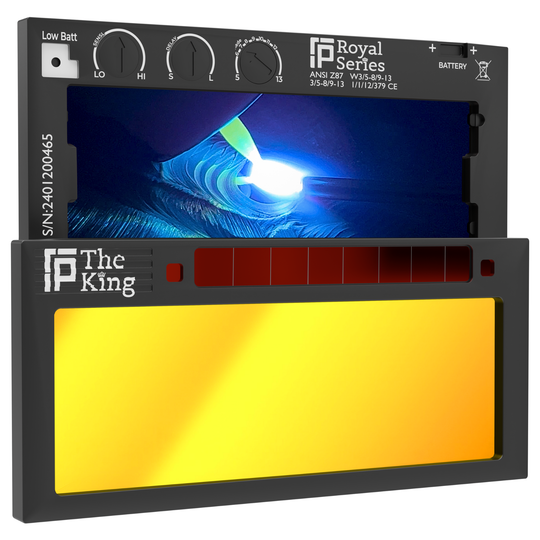
Using the correct shade for your specific welding process amperage prevents eye strain and protects against ultraviolet radiation. Use lenses that maintain clarity while providing maximum protection for health and safety. Some welders also prefer gold welding lenses because they reflect infrared heat and help reduce eye strain during longer weld sessions.
Ensure Respirator Fit
If you can smell welding fumes while wearing your mask, you have a bad fit or the wrong filter for those metal fumes. A proper PPE setup must create a perfect seal around your face to be effective.
Hearing Protection
Don't ignore the noise; constant exposure to a welding machine and grinding can lead to permanent hearing loss. Using earplugs or high-quality muffs is a simple preventive measure for every shift.
Ergonomics and Lifts
Using mechanical lifts to move heavy plates prevents the musculoskeletal injuries that end many welders' careers. Taking the strain off your back is just as important as removing the toxic fumes from your lungs.
How Your Welding Rods and Rod Ovens Affect Weld Quality and Safety
Hydrogen Control
Using a Ridge Products Welding rod oven keeps moisture out of your welding rods, which prevents hydrogen cracking. This results in a cleaner welding process with less spatter and fewer serious health risks from rework.
Equipment Maintenance
Keeping your welding machine and safety gear in top shape ensures that control measures work when you need them most. Dirty or broken gear is a major health concern because it can lead to accidental fume exposure.
Safety First
A well-organized shop that uses rod ovens and fume extractors creates a culture of welding safety. When you prioritize occupational health, you create a better environment for yourself and other workers.
What Your Boss Is Legally Required to Do for Safety
OSHA PELs
According to the Occupational Safety and Health Administration (OSHA), Employers are legally required to keep the ambient air in the shop below the Permissible Exposure Limit (PEL) for hazardous substances. These safety measures are monitored through occupational health inspections to protect welders from overexposure.
Standard Maintenance
A safe shop must maintain its local exhaust ventilation and air filtration systems to ensure they actually reduce exposure. If the filters in your fume extractor are clogged, they aren't doing anything to help your lung function.
Under health and safety laws, your employer has a "legal and moral" responsibility to provide a workspace free from recognized welding hazards. It includes providing the personal protective equipment necessary to do the job safely.
Bystander Protection
Welding safety isn't just for the person under the hood; it must also account for other workers in the vicinity. Using welding screens and adequate ventilation ensures that the entire welding area remains a safe environment.
Proper Record Keeping
Professional shops must keep detailed logs of their health and safety training and air-quality testing. This documentation proves that the company is taking the necessary preventive measures to protect workers' health.
Steps Welders Can Take To Lower Health Risks
Baseline Testing
Getting lung function tests when you first start a career gives you a baseline to compare against in the future. This makes it easier for occupational health pros to see if fume exposure is starting to impact your body.
Early Detection
Regular medical check-ups can find the first signs of neurological symptoms or lung damage before they become permanent. Early preventive measures can often prevent a minor health concern from becoming a career-ending injury.
Hearing Exams
Because welding operations are often incredibly loud, regular hearing tests are a vital part of welding safety. Protecting your ears with earplugs or muffs is just as important as protecting your lungs from toxic fumes.
Personal Accountability
At the end of the day, you are the one responsible for wearing your proper PPE and checking your gear. Knowing the chronic health risks allows you to make better choices about when to use a fume extractor or upgrade your mask.
Practical Ways to Cut Down Fume Exposure
Prioritize Elimination First
The best way to protect workers is to remove the hazard entirely, such as by buying materials cut to size. This eliminates the need for extra grinding and the fine particles that come with it.
Invest in Engineering Controls
Using a fume extractor or local exhaust ventilation is the most effective way to pull toxic fumes away from your breathing zone. These control measures should always be your first line of defense before relying on a mask.
Manage Administrative Controls
This involves changing the way workers exposed to hazards do their jobs, such as rotating tasks to limit fume exposure time. It's a simple way to reduce exposure to chronic health risks without changing the equipment itself.
Conduct Air Monitoring
Testing the air inside your welding helmets tells you exactly what you are breathing during welding activities. This data helps ensure that your adequate ventilation is actually doing its job to protect welders.
Using PPE as a Last Resort
While personal protective equipment (PPE) is vital, it should be your final safety layer after engineering controls are in place. Your respirator and leathers are there to catch whatever the fume extractor misses.

Common Questions About Welding Health
Can Drinking Milk Really Stop Metal Fume Fever?
No, milk does not neutralize the health effects of inhaled metal fumes. The only way to prevent metal fume fever is to use adequate ventilation and proper PPE to keep the fumes out of your lungs.
Is Welding In A Small Garage Dangerous If I Leave the Door Open?
Yes, a garage can quickly become a confined space where toxic fumes build up to dangerous levels. You still need a fume extractor and air filtration to keep the ambient air safe for your lung function.
How Can I Tell the Difference Between "Welders Flu" and A Regular Cold?
Metal fume fever usually causes flu-like symptoms a few hours after welding activities and typically clears up within 48 hours. If the symptoms occur every Monday, it's likely due to welding fume exposure.
Will A Standard N95 Mask Protect Me From Welding Fumes?
Not necessarily, as many welding fumes contain fine particles and gases, such as hexavalent chromium, that require specialized filters. You should always use personal protective equipment (PPE) specifically rated for the metals you are joining.
Can You Get "Arc Eye" Even If You Aren't the One Welding?
Yes, other workers in the welding area can be "flashed" by uv radiation from a nearby welding arc. This is why safe welding practices require the use of welding curtains or screens.
Is Tig Welding Safer for Your Lungs than Stick or Mig?
While TIG produces fewer visible metal fumes, it creates higher levels of ultraviolet radiation and ozone gas. Every welding process has its own unique health risks that require specific safety measures.
Does Welding Cause Permanent Memory Loss or "Brain Fog"?
Prolonged exposure to manganese is known to cause neurological symptoms that can affect memory and cognitive function. This makes fume exposure a serious health risk that requires constant preventive measures.
How Long Does It Take for Arc-Eye Symptoms to Show Up?
You might not feel the health effects of UV light damage until several hours after your shift ends. The pain of arc-eye usually peaks in the middle of the night, long after the welding operations have stopped.
Conclusion
At the end of the day, welding is about precision and pride in your work. But you can't be precise if you're hacking up a lung or struggling to see the puddle. By investing in top-tier gear from Ridge Products Welding and respecting the "hierarchy of controls," you can keep your lungs clear and your eyes sharp. Don't buy into the "tough guy" myths. The smartest welders are the ones who are still in the shop, healthy and productive, decades later.