


In pipe welding, accuracy is very important. It's the difference between a clean, quality weld and costly rework. Getting a straight, consistent layout line around the circumference of a pipe is one of the basic requirements of the job, and the tools you use to get there matter. The roll out wheel is one of those tools. We'll explain what a roll out wheel is, how it works, and why it belongs in every pipe welder's toolkit.
What Is a Roll Out Wheel?
A roll out wheel, also known as a captain's wheel, is a manual welding positioner used mainly for pipe welding. It holds the pipe in a chuck and rotates it using a connected turning wheel and gear system. This allows the welder to rotate the pipe by hand while welding, instead of stopping to reposition the torch or move around a fixed pipe.
The tool is designed to take the guesswork out of pipe layout. Welders often mark a straight line around a pipe by hand, using wraparound tape, soapstone, or manual measurement. This process takes time and is prone to mistakes. A roll-out wheel does the job much faster and with significantly better accuracy. The best-quality roll-out wheels are usually USA-made and precision-engineered.
Why Do Pipe Welders Use Roll Out Wheels?
There are several practical reasons why roll out wheels are commonly used in pipe welding.
Continuous Welding
The pipe rotates by turning the wheel, so you don't need to stop and reposition around a stationary pipe. This keeps the weld moving without interruption, reducing stops and starts that can lead to defects.
Gravity Control
Positioning the joint at the right angle allows gravity to help shape the weld puddle. This is especially useful during a hot pass or when filling a wider gap, since the joint can be rolled to the position that gives the most control.
Faster Fit-Ups
Locking pins allow flanges or fittings to be leveled and locked at specific angles, such as 22.5 or 45 degrees. This makes fit-ups more accurate and reduces the need for corrections during welding.
Other typical applications for roll out wheels include:
- Marking pipe for API ring weld layouts, where precision in the placement of the line impacts the final weld.
- Layout work for cut lines before pipe is prepped for fitting and welding.
- Production pipe welding environments where several pipes require quick, accurate marking.
- General pipe fabrication work where accuracy and efficiency at the layout phase saves time later on.

How a Pro Roll Out Wheel Works
A pro roll-out wheel uses a rotating head, typically sized to suit 8" to 10" lathe chucks, connected to a heavy-duty arm. This setup keeps the pipe secure while it rotates smoothly during welding.
The Chuck and Gear System
The chuck holds the pipe while the gear mechanism connects it to the turning wheel. Turning the wheel rotates the chuck, and the pipe rotates with it. This gives the welder direct, hands-on control over the pipe's position at all times.
Integrated Brake
Most roll-out wheels come with a brake mechanism. The brake locks the wheel in place and allows the pipe to remain still during tacking or two-holing a fitting.
Fine-tune Leveling
The fine-tuning leveling screws make it possible to level the pipe irrespective of where the wheel is placed. Even if the ground is not flat, you can still have a steady operation.
Factors to Consider When Choosing a Roll Out Wheel
Roll out wheels aren't all built to the same standard. Certain factors differentiate the durable tools from those that deteriorate easily.
Material and Construction
Quality roll out wheels are usually made from durable materials, such as polyurethane or rubber-coated steel. The hardness needs to match the workload. Wheels that are too soft wear out quickly under heavy pipes, while those that are too hard may lose traction and slip.
Load Capacity
A good roll-out wheel should have a load capacity that is higher than the average working loads. Working near maximum capacity all the time makes wheels wear out quicker.
Roundness and Balance
The precision-made wheels maintain their shape under load. The smallest imperfections in roundness result in vibration that impacts weld quality and puts extra strain on the bearings.
Bearing Quality
Sealed, greaseable bearings hold up better against weld spatter and debris than open bearings. This is usually the first point of failure in lower-quality wheels.
Traction and Surface Design
A quality tool provides a consistent grip on the pipe without damaging or marking it, which is particularly important for coated or finished pipe.

Essential Gear You Need for Pipe Welding
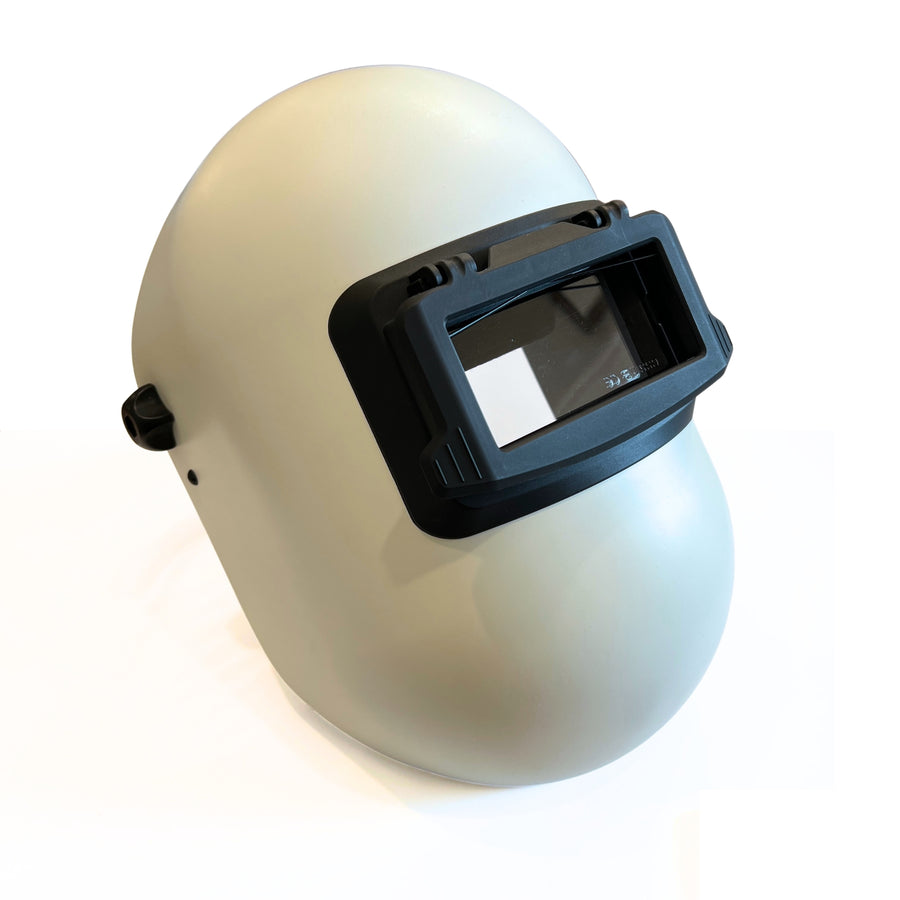
Welding Helmet
A welding hood protects the face and eyes from sparks, spatter, debris, and intense light while welding. Auto-darkening lenses are perfect for welding, since they adjust instantly as you move around the joint to follow the arc.
Fun fact: Some welding helmets and lenses are so good at protecting your eyes that you can watch a solar eclipse with your welding helmet. You can read more about it in our blog, "Can You Use a Welding Helmet to Watch a Solar Eclipse?"
Lenses
A high-quality welding lens will give you accurate shade control and a clear view without any distortions, which is especially important for precise welds in tight or delicate joints. Poor visibility through a low-quality lens can lead to inconsistent welds and unnecessary strain on the eyes, and that is something you want to avoid.
You can also pair your welding lens with a clear lens. Clear lenses are used with welding lenses to protect the expensive auto-darkening lens from flying sparks, hot metal spatter, scratches, and grinding debris.
Gloves
Pipe welding often involves fine torch control and frequent hand movement on the roll out wheel itself, so gloves that are too bulky can slow the work down. The right gloves will protect you from heat and spatter while still allowing you to work with precision.
Respirator or Fume Extraction
Pipe welding usually occurs in confined areas or on coated pipes, both of which increase exposure to hazardous fumes. Knowing how you can manage fumes while welding is important. A respirator or fume extraction system filters out harmful particles, protecting your respiratory health while working in poor ventilation conditions for extended periods.
Ear Protection
Welding itself is not particularly noisy, but the grinding, cutting, and prep work surrounding pipe welding often is. Extended exposure to this noise over a full shift can cause long-term hearing damage. Simple earplugs or earmuffs help reduce that risk without interfering with your ability to focus or communicate.

Frequently Asked Questions
What Is a Roll Out Wheel Used for in Welding?
A roll out wheel rotates pipe smoothly during welding, letting welders maintain a continuous weld without having to stop to reposition themselves or the torch. It improves control over the puddle, reduces interruptions, and helps produce a more consistent bead across the entire joint.
Do Roll Out Wheels Work for Production Welding?
Yes. Roll out wheels designed for production use can withstand repeated setups, frequent repositioning, various techniques, and long hours without compromising on accuracy. They're very durable, making them well-suited for high-volume pipe welding, where consistency and minimal downtime directly affect overall output, project timelines, and shop efficiency.
What Size Pipe Fittings Work With a Roll Out Wheel?
Generally, roll out wheels come with a rotating head designed to fit 8- to 10-inch lathe chucks, which is compatible with most pipe sizes. However, there may be differences depending on the model of the roll out wheel you're using. Welders working with API ring standards should confirm sizing specifications before selecting a wheel for production or field use.
What Gear Should a Welder Use Alongside a Roll Out Wheel?
A quality welding hood, lenses, and gloves are essential for safety and precision. Many welders also use FR clothing, steel-toe boots, ear protection, and fume extraction depending on the work environment.
Conclusion
The roll-out wheel can be considered one of the best innovations for pipe welding procedures. It allows for smooth pipe movement, provides the welder better control over the weld puddle, and facilitates fast fit-ups that would otherwise take too long if done manually.
For welders doing regular pipe welding, a quality roll-out wheel is a practical addition to the day-to-day work. When paired with the right gear, a roll-out wheel helps make each procedure easier and more efficient.