


Look around you right now. The car in your driveway, the building you're sitting in, the bridge you drove over this morning — all of it exists because someone welded it. Welding is the reason modern infrastructure stands up, vehicles hold together at highway speed, and manufacturing can produce anything at scale.
So why is welding important? Because almost nothing made of metal exists without it, and the structural integrity of that metal depends on a weld being done right. This article covers what welding actually is, why it's important, what it costs the people who do it, and what protects them while they do it.
What Welding Actually Is
Welding is the process of joining materials, almost always metal, using heat, pressure, or both to fuse them into a single solid piece. That's different from mechanical fasteners like bolts, screws, or rivets, which attach pieces together rather than fusing them, and it's exactly why welding enables structures that mechanical fasteners alone couldn't support. Welding melts the edges of two metal components, often turning the molten edge into a shared weld pool. This lets them flow together into a single continuous joint that can be as strong as or stronger than the base metal itself.
Precision is Important: Welding requires precision because the welder is creating a new, unified structure rather than merely joining two pieces.
Failure Point: Get the technique wrong, and the weld becomes the weakest point in the structure instead of one of its strongest.
Fastener Replacement: Welding has largely replaced mechanical fasteners on joints where failure isn't an option, since welded connections distribute stress more evenly.
The Many Welding Processes Worth Knowing
There is no single way to weld. Different welding techniques exist because different materials, thicknesses, and environments require different methods, and a certified welder usually learns several types of welding before specializing. Some welding processes rely on an electric arc; others use pressure and resistance; and a few use concentrated beams of energy instead. These versatile welding processes are what make welding such a flexible trade across so many industries.
- Shielded Metal Arc Welding: Also called stick welding, this metal arc welding method uses a consumable electrode coated with flux that releases a shielding gas as it melts, making it dependable for outdoor use and on dirty or rusted metal.
- Gas Metal Arc Welding: Also known as MIG welding, this process feeds a continuous wire electrode while an external shielding gas, often a metal inert gas mixture, protects the joint from atmospheric gases. It's fast and a favorite for production welding in shops and on assembly lines.
- Gas Tungsten Arc Welding: Also known as TIG welding, it uses a non-consumable tungsten electrode and a tungsten inert gas (TIG) shield, usually argon, to produce clean, precise welds with a narrow heat-affected zone, ideal for thin sheets and aerospace work.
- Flux Cored Arc Welding: Similar to MIG welding, but the hollow wire electrode is filled with flux instead of relying only on shielding gas, making flux cored arc welding well suited to outdoor work, thicker joints, and heavy production welding.
- Submerged Arc Welding: This process creates an electric arc beneath a blanket of granular flux rather than a shielding gas. It's known for high deposition rates on thick, long welds — the kind used in shipbuilding and pressure vessels, where corrosion resistance is most needed.
- Plasma Arc Welding: Closely related to TIG welding, this forces the arc through a narrow nozzle for a concentrated plasma jet, an energy beam welding approach that allows deeper penetration and faster speeds.
- Electron Beam Welding: One of the more advanced welding technologies available, it uses a focused electron beam in a vacuum chamber to produce narrow, deep welds with minimal distortion, making it valuable in aerospace and electronics manufacturing.
- Resistance Spot Welding: Instead of an arc, this joins metal sheets by passing electric current through them under pressure, a staple of automotive manufacturing for quickly joining body panels.
- Friction Stir Welding: This solid-state process joins non-ferrous metals such as aluminum, copper, and magnesium without filler material, using friction and pressure from a rotating tool rather than melting the metal.
Each of these welding processes exists because no single approach handles every material or environment. Producing high-quality welds means matching the right welding techniques to the job, which is exactly why welding plays such a central role across so many different industries.

Why Welding Is Important
Welding earns its place in nearly every major industry for a few clear reasons: it holds up the structures people rely on, it builds the products people use every day, and it supports a workforce the economy genuinely can't do without.
It Keeps Buildings and Pipelines Standing
Structural integrity, in plain terms, starts at the weld. Every steel-framed building, bridge, and tower depends on welded joints to carry and distribute load, which is why the construction industry treats welding as a code-governed specialty.
- Structural Steel: Structural frames in skyscrapers and industrial buildings rely on welded joints for load-bearing strength, the product of careful production welding rather than a quick patch job.
- Safety Stakes: A bad weld in a structural beam isn't a cosmetic defect; it's a direct threat to structural integrity, which is why structural welding is governed by strict codes and quality control.
- No Room for a Hidden Weak Point: Moisture-contaminated rods are a quiet risk in stick welding — absorbed moisture turns to gas during welding and gets trapped inside the joint, creating porosity that weakens it from the inside out. For structural and pressure-welded work, where properties must meet a specific standard, a dedicated welding rod oven keeps electrodes dry and weld-ready regardless of job-site humidity, which is why so many welders keep one on hand.
- Lighter, Smarter Structures: Welding minimizes overall material weight by eliminating the overlapping joints and flanges that bolted or riveted connections require.
- Design Flexibility: Welding makes it possible to create complex, custom shapes that mechanical fasteners alone couldn't pull off.
- Pipelines Under Pressure: Oil, gas, and water pipelines depend on precise, pressure-welded joints that hold up under constant internal and external pressure for decades, often in remote or harsh environments, using some of the same welding processes covered above but under far less forgiving conditions.
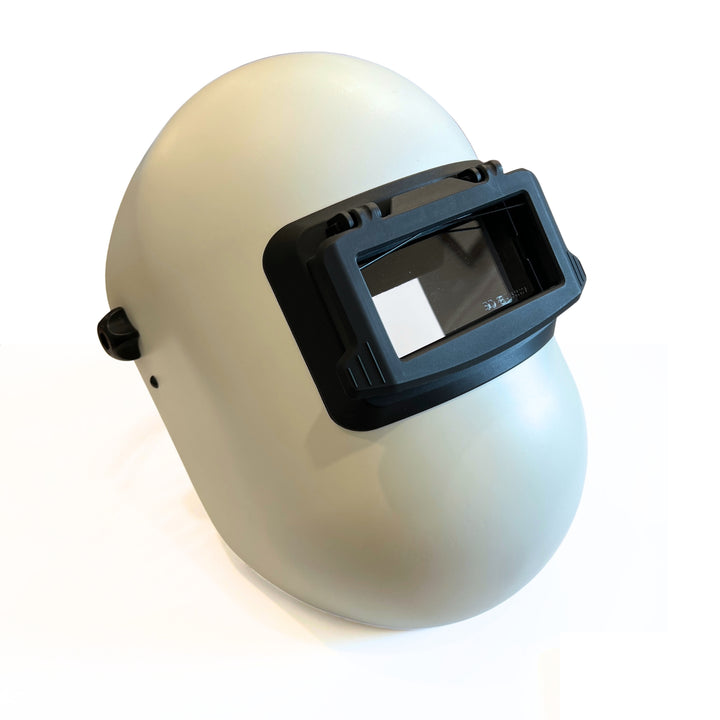
- Specialized Gear: Pipeline welding ranks among the most demanding work in the trade. Welders working pipeline or overhead jobs often reach for purpose-built hood styles, such as Sugar Scoop welding hoods. They’re shaped for a wider field of vision in positions where a standard hood would block the view. This is part of why pipeline-specific equipment exists as its own category.
It Builds the Vehicles and Products You Use Every Day
Step outside: construction and welding are still everywhere, just less visible. The automotive industry depends on welding at nearly every stage of production, from the frame to the body panels.
- Transportation: Vehicle frames, trailers, and rail cars rely on welded joints to handle constant motion and impact. The aerospace industry pushes welding even further with some of the tightest tolerances of any application.
- Shipbuilding: Massive steel hulls are built from thousands of individual welds that must withstand constant flexing and saltwater exposure.
- Everyday Goods: Appliances, furniture, and tools all involve welded parts at some point in their manufacturing process. Roughly 70 percent of manufactured goods involve welding at some stage of production, according to American Welding Society estimates, which says a lot about how central welding technology is to modern manufacturing.
- Robots in the Mix: Modern manufacturing increasingly leans on robotic welding systems to handle high-volume work. Robot welding is especially common for resistance spot welding on automotive body panels, delivering a level of consistency no human welder could match, shift after shift. Automated systems also cut labor costs and improve energy efficiency, but they haven't replaced skilled welders; they've shifted their role.
Welding Supports a Workforce the Economy Can't Do Without
Beyond what welding builds, there's the question of who's left to build it. The welding industry has dealt with a persistent labor shortage for years.
- The Shortage: The American Welding Society has projected a shortfall of hundreds of thousands of welding professionals, driven largely by retirements outpacing new entrants into the trade.
- Downstream Effects: That shortage can stretch out construction timelines, slow manufacturing output, and delay infrastructure repair projects across the welding industry.
- Skill Commands a Premium: A certified welder with field experience is paid for precision, not just labor costs measured by the hour. Specialized work, such as pipeline, underwater, or structural welding, pays more because the margin for error is so small.
- Getting Trained: Training programs, welding courses, and apprenticeships provide aspiring welders with a foundation in various welding techniques, safety practices, and quality control standards, which is why so many describe welding as a genuinely rewarding career.
A persistent shortage of skilled welders means steady demand for the trade, and certified, experienced welders have real leverage in a job market that needs them.

The Risk Behind All That Value
Everything covered so far is what welding builds and why that work is valuable. None of it happens without someone taking on real physical risk, which is the other half of the story.
The Hazards on Every Job
- Burns and Sparks: Molten metal spatter and flying sparks are a constant risk wherever an electric arc strikes metal, which is why protective clothing covering the arms, neck, and torso is standard.
- Fume Exposure: Welding fumes contain particles from both the base metal and the filler material, and welders working with stainless steel and other chromium-containing alloys can be exposed to hexavalent chromium compounds, a hazard regulated by OSHA. Local exhaust ventilation is one of the most effective ways to reduce welding fume exposure.
- Heat Exposure: Sustained exposure to intense heat over a full shift adds up, which is part of why experienced welders pace their work even on tight deadlines.
- UV Radiation: Arc welding emits invisible UV radiation that can damage unprotected skin and eyes within seconds. This is exactly why blocking that UV is a core part of how helmets are built, not an added feature.
Why Your Eyes Take the Worst of It
Of all the hazards on a welding job, the eyes are uniquely vulnerable, making personal protective equipment non-negotiable.
- Welder's Flash: UV exposure from an arc can cause photokeratitis, commonly called welder's flash or arc eye, from just a few seconds of unprotected exposure, with pain and light sensitivity that can last a day or more.
- Long-Term Risk: Repeated exposure over a career has been linked to long-term eye damage, including cataracts.
- Getting the Shade Right: Lighter lens shades are suitable for low-amperage TIG welding, while heavier shades are required for high-amperage stick or MIG welding. Getting that shade wrong either leaves the welder under-protected or makes it nearly impossible to see the molten metal clearly.
- Beyond the Basic Shade: Standard green-tinted lenses distort color, making it harder to judge the weld puddle in real time — which affects weld quality, not just comfort. Gold and silver lenses are a step up for color accuracy and reduced eye strain over long shifts. This lens color chart and welding lens guide break down how different tints perform across welding techniques and environments.
- Auto-Darkening Technology: A passive lens forces a welder to flip a dark shade down right before striking the arc, risking a flash if the timing is off. Auto-darkening welding lenses react in a fraction of a second once the arc is struck, removing that risk entirely, which is especially important for anyone doing production welding day after day.
The Right Gear Is What Makes the Risk Survivable
Welding technology has come a long way from simple flip-down lenses and shop-issued gloves, and the gear a welder chooses, whether basic welding helmets or specialized models, has a direct effect on how sustainable the work is over a career. Picking the right gear is one of the basic safety precautions on any welding job.
Helmets and Hoods Built for the Job
- Full Coverage: A welding helmet provides full-face coverage against sparks, molten spatter, and radiant heat, not just the visible glare of the arc.
- Comfort Over a Shift: A solid welding helmet made from lightweight, heat-resistant material reduces neck strain during long shifts.
- For Grinding and Cutting: Clear lenses protect against debris without darkening the view, useful for work that doesn't call for a dark shade at all.
A Weld Is Only As Good As What Goes Into It
Good gear protects the welder. The materials used in the weld itself determine whether the work holds up, both before the arc strikes and sometimes after the weld is finished.
- Post-Weld Treatments: Some pressure-welded, code-governed jobs also call for post-weld treatments, such as controlled cooling or stress relief, to ensure high-quality welds hold up to inspection and years of real-world loads.
- Repairs Over Replacements: Welding extends the lifecycle of equipment by enabling repairs rather than full replacements, since a cracked frame or worn component can often be welded back into service instead of being scrapped. That principle is also part of why welding contributes to environmental sustainability by extending product lifecycles.

Frequently Asked Questions
Is Welding a Dying or Growing Trade?
Welding is a growing trade. The American Welding Society has projected a sustained shortage of skilled welders, indicating high demand rather than a shrinking field. Automation through robotic welding systems has changed parts of the job, but it hasn't replaced the need for skilled welders for repairs, irregular shapes, or specialized environments.
What Happens When a Weld Actually Fails?
Weld failure ranges from a minor cosmetic defect to a serious structural problem. A failure in a structural beam or a load-bearing automotive component is a different story entirely, which is why structural and pressure work goes through inspection before it's signed off.
How Dangerous Is Welding Without the Right Protection?
Welding without proper personal protective equipment is genuinely dangerous, with risks ranging from burns and eye damage to respiratory issues from inhaling fumes. OSHA has specific standards covering eye and face protection for welding, and following them isn't optional.
What Shade Lens Should I Use for My Process?
The right shade depends on which welding process you're using and the amperage involved. Lower-amperage TIG welding generally calls for a lighter shade, while higher-amperage stick or MIG welding calls for a darker shade.
Are Auto-Darkening Lenses Worth It Over a Passive Helmet?
For most working welders, yes. Auto-darkening lenses remove the guesswork of flipping a passive shade down right before starting, meaning fewer accidental flashes and less eye strain over a long shift.
What Does It Take to Start a Career in Welding Right Now?
Most paths start with training programs or welding courses through a technical school or apprenticeship, where aspiring welders learn major welding techniques, safety practices, and quality control standards before certification opens the door to specialized, higher-paying roles.
How Often Should You Replace Welding Lenses and Hoods?
Lenses should be replaced when the lens surface shows scratches that distort vision or the auto-darkening response starts to lag. Hoods should be replaced when the shell cracks or the fit no longer seals out light and spatter properly.
Conclusion
Welding is the quiet, skilled work holding up infrastructure, transportation, and modern manufacturing, done by people who take on real physical risk every time they strike an arc. Whether the job calls for production welding on an assembly line or a single careful pass to join metal sheets in a custom repair, welding shows up in buildings, vehicles, and pipelines that must hold up for decades.
The right gear is what makes that work sustainable over an entire career, not just a single shift. If your current setup is overdue for an upgrade, it's worth considering Ridge Products Welding's lenses and hoods, built for the realities of the job. This is serious work, so the gear protecting the people who do it should be taken just as seriously.