


Spot welding is one of the most efficient and reliable methods for joining metal, and if you're new to it, you're in the right place. Used across automotive manufacturing, electronics, construction, and more, it's a process that industries worldwide depend on every day.
If you've never worked with it before, it can be hard to know where to start. What equipment do you need? How does the process actually work? And how do you know if spot welding is the right choice for your application?
This guide answers all of that. We'll walk you through how spot welding works, where it's used, and ways to get the most out of your spot welds.
What Is Spot Welding?
Spot welding is a type of resistance welding that uses electrical current to fuse metal together at precise, targeted points. It is one of the most widely used welding techniques across manufacturing industries globally. Unlike welding methods that produce a continuous join along a seam, resistance spot welding bonds materials one point at a time, delivering a series of strong, reliable weld points across the workpiece.
This resistance welding method requires no filler material and no open flame. Heat energy is generated internally by electrical resistance, giving spot welding a level of precision and consistency that other methods struggle to match.
How Does Spot Welding Work?
At its core, spot welding is a resistance welding technique that joins two or more pieces of metal together by applying heat and pressure to a specific point. That heat comes from electrical resistance, which is what makes spot welding so precise and controlled. Here's how the process works:
1. Position the Metal
The metal sheets are placed on top of each other, aligned exactly where the weld needs to be made. Proper positioning at this stage is critical, as it determines the accuracy and strength of the final join.
2. Apply the Electrodes
Two copper electrodes clamp down on either side of the metal at the target point. Spot welders use copper because it conducts electricity efficiently while having low electrical resistance compared to many other metals.
3. Deliver the Current
A high electrical current passes through the electrodes and into the metal. Where the two sheets meet, electrical resistance causes the metal to heat up rapidly. It eventually reaches temperatures high enough to melt the material at that specific point.
4. Form the Weld Nugget
As the metal melts, the pressure from the electrodes fuses the two sheets together. This creates a weld nugget, which is a small, solid join that bonds the materials at that spot.
5. Cool and Release
The current stops, and the electrodes hold their position for a brief moment while the molten metal cools and solidifies. Once set, the electrodes release, and the process is complete. The entire cycle of a spot welding process takes just seconds.
Parameters of Spot Welding
Current
Current controls the amount of heat generated at the weld point. If it's too little, the metal won't reach the temperature needed to fuse properly. However, if it's too much, the material can burn through, weaken, or deform.
Weld Time
Weld time refers to how long the electrical current is applied. Longer weld times increase heat input, which can be necessary for thicker material, but excessive heat exposure risks damaging the surrounding metal. Weld time is typically measured in cycles, with one cycle equaling 1/60 of a second.
Electrode Force
Electrode force is the pressure exerted by the electrodes on the metal during welding. Adequate pressure ensures solid contact between the metal sheets and helps contain heat at the weld. Insufficient force leads to poor fusion, while excessive force can cause the electrodes to indent or damage the surface.
Squeeze Time
Squeeze time is the period between the electrodes making contact with the metal and the current being applied. This allows the electrodes to reach the correct pressure before welding begins, ensuring consistent contact across the weld point.
Cool Time
Cool time is the period after the electric current stops, but while the electrodes remain clamped on the metal. This allows the weld nugget to solidify under pressure before the electrodes release. Insufficient cool time can cause the weld to crack or deform as it sets, compromising the integrity of the joint.

What Metals Can You Spot Weld?
Low-Carbon Steel
Low-carbon steel is the most commonly used material for spot welding. It has high electrical resistance and low thermal conductivity, which makes it straightforward to weld reliably and consistently. It is the standard choice across automotive, construction, and general manufacturing applications.
Stainless Steel
Stainless steel can be spot-welded effectively, though it requires lower current levels than low-carbon steel due to its higher electrical resistance. When spot welding stainless steel, it's important to manage heat input, as excessive heat can cause discoloration and affect the corrosion resistance of the material.
Aluminum
Aluminum is more challenging to spot weld. Its high thermal conductivity means heat dissipates quickly, requiring higher current levels and shorter weld times to achieve a proper fusion. Specialized equipment and precise parameter control are typically needed to produce consistent results with aluminum.
Galvanized Steel
Galvanized steel is one of the most commonly spot-welded metals. While it can be spot-welded, the zinc coating presents additional considerations. The coating burns off during welding, which can affect electrode life and weld quality. You typically need to adjust parameters to account for the coating, and electrode maintenance becomes more frequent.
Copper and Copper Alloys
Copper is generally not suitable for spot welding. Its extremely high thermal conductivity makes it very difficult to generate and retain enough heat at the weld point to achieve proper fusion. Spot welding copper alloys with lower conductivity may be possible under specific conditions, but it is not a standard application.
Dissimilar Metals
Spot welding two different materials together is possible in certain combinations but requires careful consideration. Differences in melting points, thermal conductivity, and electrical resistance between the two materials can make it difficult to achieve a consistent, strong weld without specialist knowledge and equipment.
Applications of Spot Welding
Spot welding is used across a broad range of industries. Here are some of them:
- Automotive Manufacturing: In the automotive industry, body panels, frames, and structural components are joined using thousands of spot welds per vehicle.
- Aerospace: Used in the fabrication of aircraft components where consistent, lightweight joints are required.
- Electronics: Battery packs, circuit components, and metal enclosures are commonly assembled using spot welding.
- Construction: Structural steel components, mesh reinforcement, and metal frameworks are joined using the process.
- Appliance Manufacturing: Washing machines, refrigerators, and other white goods rely on spot welding for their metal housings and internal components.
- Medical Equipment: Used in the production of surgical instruments and medical device enclosures where clean, precise joins are required.

Advantages of Spot Welding
Since welding was invented, spot welding is one of the most widely adopted methods in manufacturing for a reason. It delivers a combination of speed, precision, and cost-efficiency that few other processes can match.
Speed and Productivity
Each weld cycle takes just seconds to complete, making spot welding exceptionally well-suited to high-volume production environments. Automated spot welding systems can produce hundreds of welds per hour, significantly reducing production time without compromising on quality.
Cost-Efficiency
Spot welding requires no filler material, flux, or shielding gas, which reduces consumable costs considerably. The speed of the process also reduces labor costs, particularly in automated setups.
Consistency and Repeatability
When parameters are set correctly, spot welding produces the same result every time. This level of repeatability is critical in industries where every weld must meet a precise standard across thousands of components.
Minimal Material Distortion
Because heat is applied in a concentrated area for a short period of time, the surrounding material is largely unaffected. This reduces warping and distortion, which is particularly important when working with thin sheet metal or components with tight dimensional tolerances.
Clean Process
Spot welding produces no open flame, no filler spatter, and minimal welding fumes compared to other welding methods. It's a cleaner process to operate and easier to integrate into controlled manufacturing environments.
Earning Potential
For welders specializing in spot welding, the skill commands competitive wages. In the United States, spot welders typically earn around $55,000 per year, with experienced operators in high-demand industries such as automotive manufacturing earning upwards of $60,000.
Automation Compatible
Spot welding integrates seamlessly with robotic and automated systems, making it a natural fit for modern production lines. Automated spot welding reduces reliance on manual labor, increases throughput, and delivers greater consistency across large production runs.
How to Get the Most Out of Your Spot Welds
Whether you're new to spot welding or refining an existing process, these practical tips will help you achieve consistent, high-quality results.
- Set your parameters correctly from the start. Current, weld time, pressure, squeeze time, and cool time all need to be dialed in for your specific material and thickness before production begins. Testing on scrap material first is always recommended.
- Keep your welding electrodes clean and well-maintained. Worn or contaminated electrodes are one of the most common causes of poor weld quality. Inspect them regularly and dress or replace them as needed.
- Ensure proper surface preparation. Dirt, oil, coatings, and oxidation on the metal surface can all affect weld quality. Keep your materials clean, and you'll produce cleaner, stronger welds.
- Maintain consistent electrode alignment. Misaligned electrodes lead to uneven pressure and inconsistent welds. Check alignment regularly, particularly in high-volume production settings.
- Monitor weld quality throughout production. Don't assume parameters that worked at the start of a run will remain consistent throughout. Regular checks will help you catch issues before they affect a large batch of components.
- Use the right equipment for the material. Not all spot welding machines are suited to every metal or thickness. Make sure your equipment can deliver the required electric current and force for your specific application.
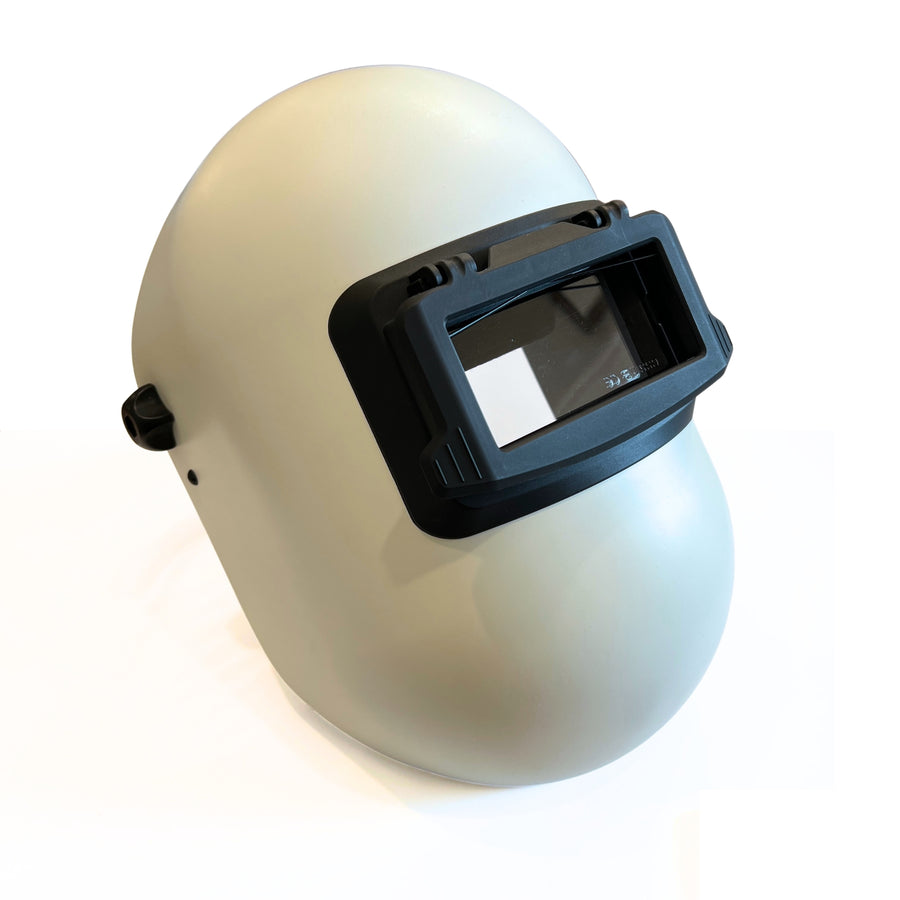
- Wear the correct protective equipment. Spot welding produces heat, light, and spatter. A reliable welding hood and appropriate welding lenses are essential for protecting yourself during operation.

Frequently Asked Questions
How Thick Can Metal Be for Spot Welding?
Spot welding is most effective on metal sheets up to 3mm thick per layer. Beyond this, achieving consistent heat penetration and fusion becomes increasingly difficult.
How Long Does a Spot Weld Last?
When performed correctly with the right parameters and equipment, a spot weld is a permanent join. It is designed to last the lifetime of the component it holds together.
Can Spot Welding Be Done Manually, or Does It Require Automation?
Both are viable options. Manual spot welding is well-suited to low-volume work, repairs, and smaller fabrication tasks. Automated spot welding is the standard in high-volume manufacturing environments where consistency and throughput are the priority.
Conclusion
Spot welding is a proven, reliable process that has earned its place across some of the world's most demanding manufacturing industries. Understanding how it works, what parameters drive quality, and which materials it is suited to puts you in a strong position to apply it effectively.
The fundamentals are straightforward. When you get the parameters right, maintain your equipment, and prepare your materials correctly, spot welding will deliver.