


Imagine working inside a tight pipe joint with the weight of a helmet on your head for hours at a time. Extra weight and poor balance can strain your neck and shoulders, especially in awkward positions. A custom welding hood can be tailored to your job, improving comfort, fit, and visibility.
Many welders find that a standard helmet isn’t sufficient, and a custom welding hood works better for their needs. Custom welding hoods offer the same protection as a standard welding helmet. However, a few modifications to fit the welder's needs can make the welding process more comfortable.
This guide covers the signs you need a custom hood, what to look for when buying one, and which features matter most in the field.
What Makes a Welding Hood Custom?
Before diving into the details, let's briefly review what a custom welding hood actually is. Custom welding hoods are designed around the welder's head shape, welding job, and typical welding positions. These hoods give the welder multiple options for the shell and lens.
You can adjust almost any feature on a custom welding hood to better fit your needs. This customization makes the hood suitable for your specific work, unlike a generic standard helmet.
Custom Shell Design
A custom welding hood's shell comes in several design options:
- Reduced Profile Shells: Manufacturers cut down the sides and back of a reduced-profile shell so you can move your head in tight spaces without hitting nearby metal.
- Carbon Fiber Options: Some manufacturers offer carbon fiber construction for the shell of a custom welding hood. Carbon fiber shells reduce the overall weight of the welding helmet because they’re lighter.
- Weight Distribution: A lighter shell moves the center of gravity closer to the head, which reduces neck stress while you weld.
- Airflow Design: Some custom shells have small vents that improve airflow and help prevent sweating.
- Custom Graphics Option: You can add custom graphics to the shell of a custom welding hood. Custom graphics on a welding helmet can make it easy to spot a welder on site in the case of an emergency.
Shell Materials Worth Knowing
The material of the shell of a welding helmet can affect its overall weight, sturdiness, and cost. Here's how shell materials break down:
- Fiberglass Construction: Fiberglass is a popular choice for sugar scoop and pipeliner shells because it's strong yet flexible.
- Carbon Fiber Shells: The lighter weight of carbon fiber can make welding easier and more comfortable in some positions.
- Pancake Hood Weight: Pancake hoods are the lightest welding hoods because of their stripped-down shell design. Pancake hoods are specifically designed for pipeline/field work under bright outdoor sunlight to prevent rear glare. They feature a wooden eyepiece and a balsa-wood or fiber shield that provides equal or better direct-light protection to the welder's eyes than traditional shells outdoors.
- Leather Welding Hoods: Some manufacturers use leather panels around the neck and upper torso instead of a rigid shell. This makes the hood more flexible, which some welders prefer, especially for overhead work.
- Premium Materials: Premium materials cost more, but they often last longer and resist scratches, wear, and bending better than lower-grade materials. Examples include fiberglass, carbon fiber, and high-impact polycarbonate, which are commonly used for durable protective equipment.
- Heavy-Duty Shell Standards: Heavy-duty shells should be impact-resistant. Impact resistance is necessary for welders who work overhead or on job sites with loose metal debris. For example, a durable shell can help protect the welder’s head if a small piece of metal falls from above during overhead work.
The right shell design and material can create a welding hood that fits the welder’s needs and type of work.
Custom Lens and Headgear Configuration
While the shell makes up half the equation, the choice of lenses and headgear determines the hood's effectiveness. Here are some points to consider:
- Lens Shade Matching: A custom hood makes it easier to match the shell, shade, and filters to your specific welding process. For example, a welder doing high-amperage stick welding can choose a darker lens shade suited to the intensity of the arc.
- Auto Lens Upgrades: Auto-darkening lenses protect the welder’s eyes by darkening automatically when the welding arc starts. This means the welder doesn't have to lift the hood to see clearly between welds. For welders who prefer a simpler auto-darkening setup, this single-shade auto-darkening welding lens is another option to compare.
- Passive Lens Option: Passive lenses shield UV/IR radiation continuously, whether active or not. Welders flip the entire hood up (or flip the front lens up if using a flip-front model). For a clear-vision option for prep work, look at clear welding lenses.
- Optical Clarity Rating: Optical clarity ratings measure how clearly and accurately a welding lens allows you to see through it. The rating considers factors such as image distortion, light diffusion, and variations in the lens. A higher optical clarity rating means a clearer, more consistent view of the weld area, which can help reduce eye strain during extended welding.
- Arc Sensor Count: The number of arc sensors in a welding hood affects reliability, as more sensors keep the lens consistently dark regardless of the angle of attack.
For a more in-depth explanation regarding how the shade of a lens correlates to amperage and process, be sure to consult our welding lens color guide.
When You Will Need a Custom Welding Hood
A custom welding hood can be useful when a standard helmet does not match the demands of your work. You may need a custom option for reasons such as:
- Specialized Welding Positions: Frequent work in unusual positions may require a hood with a shell shape, lens placement, or viewing angle suited to the way you weld.
- Limited Workspace: Jobs inside narrow pipes, tanks, structural sections, or other restricted areas may call for a smaller shell that gives you more room to move.
- Specific Headgear Requirements: If standard headgear does not fit securely or work with your preferred setup, a custom hood can accommodate different headgear configurations.
- Specialized Lens Needs: Welders who need specific lens shades, magnification, color-filtering, or viewing configurations may benefit from a hood built around those requirements.
- Long Welding Shifts: If you wear your hood for many hours each day, choosing the shell material, headgear, and lens configuration can help create a setup suited to extended use.
- Job-Specific Protection: Some work environments expose welders to overhead debris, tight spaces, or other hazards that may call for a shell with specific protective features.
- Personal Identification: Custom graphics or markings can help distinguish your helmet from others on a busy job site, making it easier to identify your gear.
Signs Your Stock Welding Helmet Is Holding You Back
Most welders will use a stock welding helmet for a good chunk of their career. However, several signs suggest your helmet might be holding you back.
1. You Find Yourself Constantly Adjusting Your Helmet
Fiddling with your hood during a weld indicates the helmet doesn't fit securely.
- Slipping Headgear: The constant adjustment of a welding helmet is both a safety hazard and an indicator of slipping headgear, which will leave you with inconsistent weld lines.
- Poor Fit for Head Size: Due to the nature of their design, one-size-fits-all helmets will put unnecessary pressure on the welder's head after several hours of wear.
- Sweat and Fog Accumulation: Stock welding helmet shells retain heat, causing sweat and moisture buildup on the lenses, which makes it harder to see.
2. You Have Difficulty Welding in Tight Quarters or Overhead
Welding in confined spaces and overhead is a nuanced skill that is best achieved with a custom-fitted shell.
- Limited Head Mobility: Thicker, wider shells make it hard to reach tight spots, as the welder must navigate the shell around the surrounding area before starting a weld.
- Inability to See Overhead Welds: An unmodified hood top can block the view of overhead welds, forcing the welder to tilt their head and neck into an uncomfortable position.
3. You Notice Neck Pain After a Job
Because of the weight of a stock bucket welding helmet, the helmet may unconsciously put extra stress on the neck, which can be especially aggravating after a long day of welding. Welding hoods are particularly taxing on the neck because you wear the for long periods, especially if the helmet uses a heavier shell material.

4. Your Current Lenses Do Not Suit Your Process
Incompatible lenses can turn each weld into a chore.
- Poor Color Accuracy: Older green lenses compromise color accuracy, hiding important details in the weld pool. Newer true color and gold lenses provide the necessary contrast to observe the weld puddle.
- No Cheater Lens Accommodation: Some welding hoods cannot use magnifying cheater lenses, which are required for detailed work.
Take a moment to review your current welding lenses and cross-reference them with the requirements of your process, as there could be incompatibilities between the two.
Types of Welding Hoods What They're Best For
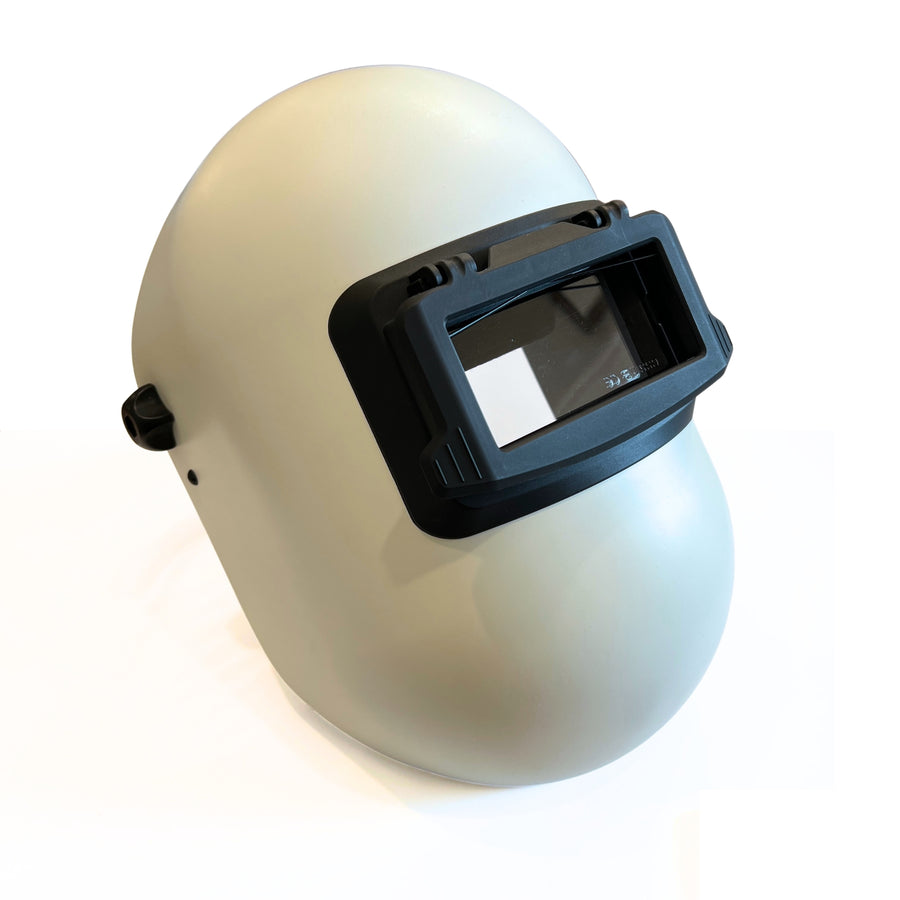
One of the primary reasons why the sugar scoop hood has secured its place among the welding community is due to the unique advantages of its design, namely the ability to work in confined spaces.
Why the Sugar Scoop Welding Hood is Ideal for Confined Spaces
- Rounded Top Profile: The unique design of the sugar scoop style allows the welder to move the helmet around without the shell interfering with objects in its path.
- Reduced Weight and Bulk: A majority of shells that use the sugar scoop design tend to be exceptionally light, which reduces the overall fatigue imposed on the welder after extended use in comparison to a bucket-style helmet.
- Standard Lens Compatibility: The majority of sugar scoop hoods will accommodate standard 2x4 auto-darkening lenses, which allows for seamless upgrades to the lens later down the line.
- Preferred Choice of Pipe Fitters: Structural welders and pipe fitters often use this style of helmet because of its advantages over a standard bucket-style helmet.
Where a Sugar Scoop Hood Falls Short
Each hood type comes with its fair share of potential downfalls to be aware of before purchase:
- Cheater Lens Limitations: Certain sugar scoop hoods (specifically Ridge Products Welding current models) do not currently offer cheater lens compatibility,
- Limited Face Coverage: While the open face design forges a more mobile front end ideal for specific applications, consider browsing through all of the available sugar scoop style welding hoods for a better fit.
How A Custom Pipeliner Hood Handles Extended Field Work
Long-term field welders know gear must stand up to the test of time across different processes, and pipeliner hoods are no exception.
Built for Multiple Welding Processes
- Wide Process Range: Pipeliner hoods are commonly designed to function across a broad range of welding processes without switching out any hardware
- Narrower Shell Silhouette: The slim design profile stows away more easily in a belt or truck bed than a bulky bucket-shaped alternative
- Shade 9 Auto Compatibility: Shade 9 auto welder lens compatibility lets the pipeliner hood adapt to a broader range of welding applications.
Comfort Features
- Adjustable Ratchet Headgear Mechanism: A more finely-tuned ratchet mechanism keeps the hood comfortably in place across a ten-hour shift without pinching at the temples
- Respiratory Equipment Compatibility: Many modern pipeliner hoods can accommodate certain respirator equipment, which helps welders maintain respiratory protection in environments with hazardous welding fumes. Check that the hood and respirator are compatible before use.
How to Choose the Right Lens for Your Custom Hood
A poor lens choice can reduce the performance of even a high-quality welding shell. Along with a well-designed outer shell, several lens considerations affect the final quality of vision during a weld.
Match Lens Color to Your Process
Match Lens Color to Your Process
- Gold Lenses (for High-Amperage Jobs): Gold-tinted glass reduces eye strain during extended welding while reflecting excess heat from arc welding processes such as stick or plasma cutting. The tint can also improve contrast, making it easier to see the work area around the arc. They are a practical choice for welders who spend long periods working at higher amperages.
- True Color (for TIG and Aluminum Welding): Minimal light distortion lets you better observe a TIG weld puddle or aluminum weld pool. This can help you see changes in the weld area more clearly as you work. A more natural view of colors can also make it easier to distinguish the puddle from the surrounding metal.
- Clear Lenses (for Grinders and Prep Work): Clear glass shields the eyes from hazards such as dust while also permitting a wide field of vision, useful for preparing metal for welding. They provide protection without the dark tint needed for viewing an active welding arc. Clear lenses are intended for non-welding tasks such as grinding, cleaning, and inspecting prepared metal.
Ridge Products Welding sells true color and gold-tinted lenses for specific applications, but lens material and tint choices can become a complex web for welders to navigate. For more detailed guidance on the appropriate lens material and tint for a given application, consult this welding lens guide.

Maintenance Tips: Keeping Your Custom Welding Helmet Ready Between Jobs
Top-quality gear rarely falls short when you maintain it properly, and a few simple routines keep it in top shape from one job to the next.
Routinely Inspect the Outer Shell
Before each use, carefully inspect the outer lens and shell material for microcracks, discoloration from excessive heat, and fraying on the headgear components, all of which degrade the safety of the hood over time.
Wipe the Lens Down
A few swipes with a clean cloth keep dust from building up on the surface, preserving visibility without resorting to harsh chemicals. A gentler approach to cleaning the outer shell and headgear components with warm, soapy water prevents grime buildup inside the welder's hood. Always let the hood dry completely before storing it away.
A high-quality custom hood can perform for three to ten years depending on usage and general care between jobs.
Frequently Asked Questions
What Is the Difference Between a Sugar Scoop Hood and a Pipeliner Hood?
Sugar Scoop" is the nickname for the Fibre-Metal Tigerhood, whereas "Pipeliner" traditionally refers to the Fibre-Metal 110P / Fibre-Metal Pipeliner hood (which features a narrower, rounded bottom to fit into tight pipe setups)
Do Custom Welding Hoods Work With Cheater Lenses?
Not necessarily. Certain sugar scoop and pipeliner models do not currently support cheater lenses; double-check this information if you plan to use one for close-quarters work.
Is a Custom Hood Lighter Than a Stock Helmet?
Custom fiberglass and carbon-fiber sugar scoop shells weigh less than a bucket-style helmet due to their lightweight construction, typically under a pound. Weight varies by make and model, so the best way to determine weight savings is the compare listed weights.
Can You Wear a Custom Welding Hood With a Hard Hat?
Pipeliner or bucket-style helmets include a mounting mechanism compatible with hard hats. Research the available options before purchase to find gear compatible with your work environment.
Do Custom Welding Hoods Meet ANSI and OSHA Compliance Standards?
Ensure the welding helmet is compatible with the ANSI Z87.1-2010 and relevant OSHA eye and face protection codes before placing the order. Always double-check the specifications and certification documents issued by the seller for standard compliance before purchase, especially when considering a new supplier, to ensure the safety and compatibility of the product for your intended use.
How Long Does a Fiberglass Helmet Shell Last?
When kept properly away from the risk of physical damage or exposure to excessive heat, fiberglass welding helmets last around 5 to 10 years with proper care and regular inspection. Inspect the shell before each use, and replace the helmet shell at the first sign of physical damage or discoloration to avoid health hazards.
Is a Custom Welding Hood Worth It For Infrequent Welders?
Sometimes, welders may need to modify a custom helmet to fit certain head sizes properly. While custom helmets offer greater comfort, they suit professionals who use them regularly for extended periods.
Conclusion
A stock helmet shell will serve its purpose until it no longer does. If you constantly need readjustment or have a restricted range of motion with your welding helmet, a custom modification or shell is ideal for your next replacement. Custom sugar scoop shells suit pipe and structural welders best. At the same time, pipeliner-style helmets are ideal for field welders who need single-action helmets capable of withstanding the demands of an extended workday and multiple welding processes.
When you weigh the benefits of custom-fitted gear against its cost, a custom welding helmet becomes an investment rather than an expense over the long term. Ridge Products Welding offers a wide variety of standard and lenses ideal for the use of professional welders.