


Underwater welding is a highly skilled profession and a necessary part of the maritime industry in 2026. If you have ever wondered, ‘What is underwater welding?’, it is a job that combines commercial diving with advanced metalwork to maintain the world’s underwater structures. Underwater welders fix offshore oil rigs, subsea pipelines, and wind farm foundations. Also known as hyperbaric welding, it involves welding at elevated pressure to reinforce infrastructure like bridges and dams.
This highly skilled profession requires proper training, specialized training, and specialized equipment for submerged underwater environments. While it is one of the most dangerous jobs, it avoids high dry-docking costs through on-site emergency repairs.
This guide explains what wet welding is, how it differs from dry welding, and why success depends on precision, proper equipment, and specialized training for this demanding underwater welding work.
How Does Underwater Welding Work?
Underwater welding uses a stable electric arc to weld submerged. This occurs using waterproof welding electrodes coated with a specialized flux. When the electric arc is struck, the flux releases oxygen gases and hydrogen, which form a protective gas bubble. This gas bubble pushes water away from the welding area, allowing heat to melt the metal and fuse it. Many underwater welders use a clear welding lens in their welding helmet to keep track of the arc and molten metal in low-visibility water.
The Way Electrical Flow Works in Straight Polarity
Saltwater is a strong electrical conductor, so underwater welders use Direct Current (DC). While some use straight polarity, many underwater welding techniques prefer Direct Current Electrode Positive (DCEP) to protect the welding tools from electrolysis. Direct current is used because alternating current (AC) creates serious electrical hazards, including the inability to release a live circuit. This setup keeps the electric arc stable in wet environments.
Choosing the correct welding lens color is more than a preference; a silver welding lens or a red welding lens can significantly reduce eye fatigue caused by the intense glare of the arc reflecting off the surrounding water bubbles.
How Pressure and Cold Affect Underwater Welding
At greater depths, water pressure compresses the gas bubble, reducing the arc size and increasing its intensity. Underwater welders adjust their underwater welding techniques to keep the arc steady. Cold water also cools the metal fast, so underwater welders must control heat in high-pressure environments and low-visibility conditions to stop the welding from becoming brittle.
Types of Underwater Welding
There are two main welding processes used to maintain underwater structures such as offshore oil rigs and pipelines. These are wet welding and dry welding. Wet welding is typically used for quick emergency repairs and smaller projects, while dry welding is used for larger, more complex projects. The welding processes you use depend on the required welding quality for the project.
Wet Welding
Wet welding involves welding directly in the water without any physical barrier between the diver and the sea. It is typically used for quick emergency repairs and smaller projects because it is fast and requires less specialized equipment.
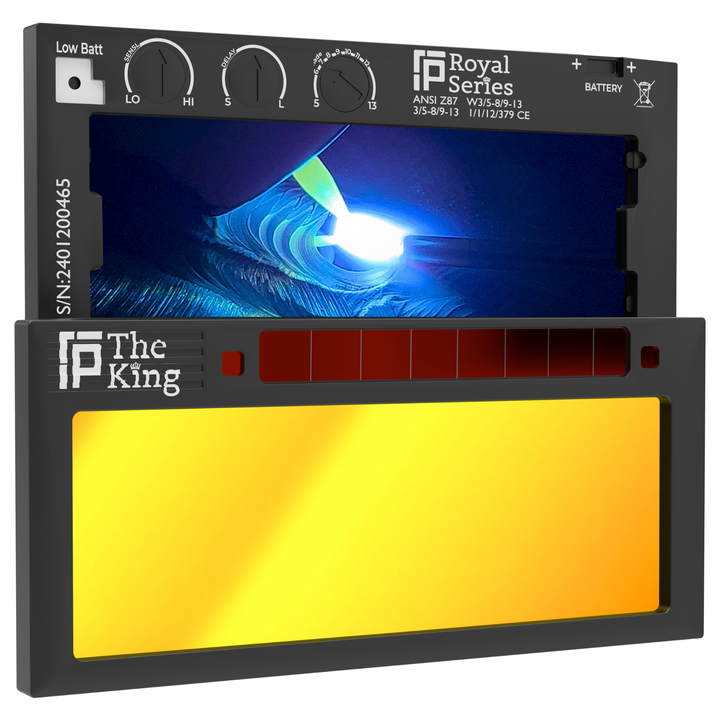
To combat the murky, low-visibility conditions of the open sea, many divers opt for the best welding lens they can find, typically a high-contrast gold welding lens or a blue welding lens to help the molten puddle stand out against the dark water.
These are usually a standard 2x4 welding lens size, which fits perfectly into the flip-down weld shields found on modern commercial diving helmets.
Commercial divers use waterproof welding tools to strike an electric arc in the open water. While excellent for emergency repairs, the welds cool very fast due to the cold water, which can affect the strength of the metal.
Dry Welding (Hyperbaric Welding)
Dry welding, also known as hyperbaric welding, involves welding at elevated pressures inside a sealed chamber. A hyperbaric chamber or habitat welding unit is placed over the marine structures and filled with a gas mixture to create a dry environment. The controlled environment allows you to make higher-quality welding results that meet the same strict standards as surface work.
Essential Equipment for Welding Underwater
Regardless of the method used, all underwater welders rely on a core set of diving equipment to survive electrical shock and other safety hazards in the high-pressure environment:
-
Commercial Diving Helmets: Provide a constant air supply and include a built-in radio.
-
Umbilical Cables: This lifeline connects the diver to the surface, providing air, power for welding tools, and communication.
- Portable Rod Ovens: Use high-quality welding rod ovens for dry welding. The electrodes must be kept dry to prevent hydrogen-induced cracking in the finished weld.
What Underwater Welding Does

Underwater welding is a practical technique used to repair and construct large marine structures in the ocean. Companies save money by doing the underwater welding work on-site because they do not have to move massive objects to a dry dock.
Fix Offshore Oil and Wind Rigs
Underwater welders are the main workers who keep offshore oil platforms and wind farms standing. These marine structures are exposed to saltwater, which causes rust. Commercial divers use underwater welding techniques to patch holes, fix metal legs, and maintain the pipes. Keeping these underwater pipelines strong is a major part of environmental protection.
Repair Ships and Harbors
In the maritime industry, underwater welding enables ships to be repaired while afloat. Commercial divers use specialized equipment to repair cracks in ship hulls or fix propellers. This helps ships return to service faster and avoids the high dry-docking costs of pulling a boat out of the water for emergency repairs.
Maintain Bridges and Dams
This trade also supports public infrastructure. Underwater welding work is used to reinforce the metal supports under bridges and fix the gates on large dams. Whether using wet welding for a quick fix or hyperbaric welding for a big repair, these divers keep our underwater structures safe and strong.
Is Underwater Welding Dangerous?
Many people ask why underwater welding is so dangerous, and the answer lies in the combination of water, electricity, and water pressure. While it is one of the most dangerous jobs, underwater welders must follow strict safety protocols and use specialized equipment designed for these underwater environments. Below are the primary challenges and safety hazards that make this a dangerous profession:
Electrical Shock
Underwater welders face a constant risk of electrical shock when working because they use high-voltage welding equipment in the water. Electrical hazards are a major concern, as exposure to electric shock while welding underwater can be fatal. Divers must use Direct Current (DC) and specialized insulation to prevent electrical shock.
Decompression Sickness
Decompression sickness, also known as "the bends," occurs when a diver surfaces too quickly. This causes nitrogen bubbles to form in the human body, leading to joint pain or death. Divers must follow strict safety protocols and sometimes use a hyperbaric chamber to decompress safely. Proper training in a commercial diving school is required to manage this significant risk.
Differential Pressure (Delta P)
Delta P is a significant risk when water flows from a high-pressure area to a low-pressure area. This creates a suction trap that can lead to drowning. It is one of the most feared safety hazards in commercial diving.
Explosions from Flammable Gases
During the welding process, the electric arc can cause the breakdown of water into oxygen gases and hydrogen. If these ignite in the welding area, they can cause violent explosions. This is why underwater welders must ensure there are no trapped gas pockets.
Drowning and Equipment Failure
Drowning is a primary risk in this dangerous profession. Whether caused by an equipment failure in the breathing apparatus or getting tangled, any loss of air supply in the deep is a life-threatening emergency that requires immediate medical attention.
Life Expectancy and Robotics
There is a common myth that underwater welders have a life expectancy of 35–40 years. In reality, this is the average age when many commercial divers retire from the water due to the physically demanding nature of the job. Increased use of remotely operated vehicles (ROVs) and robotic arms in underwater welding reduces human risk in high-pressure environments.
Tips for Underwater Welding
Becoming a pro at welding underwater requires practicing underwater welding techniques that differ from surface welding. Underwater environments present challenges such as low visibility and cold water.
The Touch-Start Method and Visibility
Since you cannot always see the metal, you must learn to strike the electric arc by feeling the electrode. This "touch-start" method is a fundamental skill taught in commercial diving school. Specialized training helps divers maintain the arc during welding operations.
Manage the Molten Puddle Under Pressure
You have to adjust your hand speed to keep the metal from cooling too fast in the cold water. A steady hand is required to ensure the puddle flows correctly despite the water pressure trying to collapse the gas bubble.
Maintain Vertical and Overhead Positions
Buoyancy makes it hard to stay still. Commercial divers often use magnets, clamps, or specialized "stinger" grips to hold themselves in place while they work on underwater structures.
Gear Up Responsibly
To protect the diver from hypothermia in cold temperatures, specialized diving suits made of thick neoprene or hot-water systems are used to maintain a safe body temperature during long shifts.
Practice Emergency Procedures and Safety Drills
Underwater welders must master emergency procedures for handling equipment failure and electrical shock. This includes knowing how to use a breathing apparatus effectively and recognizing the signs of health risks like nitrogen bubbles to ensure a safer working environment.
Perform Vigilant Risk Management
Regular training for emergency rescues is vital for responding to safety hazards in high-pressure environments. By staying prepared for sudden accidents, divers can provide immediate medical attention to themselves or teammates while working on underwater structures.
Environmental Regulations and Maritime Law
In the maritime industry, maritime law governs how underwater welders work and remain safe. These rules also protect oceans and marine life during welding jobs. Underwater welders must handle electrode stubs carefully to prevent toxic runoff from damaging marine life. Companies need legal expertise to ensure compliance with environmental regulations and to avoid fines. These safety measures are part of theprotocols that underwater welding teams must follow at all times.
Training and Certification for Underwater Welders
Underwater welding is one of the most lucrative jobs that does not require a four-year degree. However, to become an underwater welder in 2026, you must master two separate trades: welding and commercial diving. Training to become an underwater welder can take 18 to 24 months.
Step 1: Topside Welding School
Before you can work underwater, you must first become a certified welder on land. Most students attend school for 6 to 12 months to learn SMAW, TIG, and MIG welding.
Step 2: Commercial Diving School
Once you are a skilled welder, you must attend an accredited commercial diving school for rigorous training on safe diving. These programs involve extensive training on diving physics, medicine, and emergency procedures.
Step 3: Physical and Medical Exams
Underwater welders must be physically fit and pass regular medical exams. Doctors check lung capacity and the ability of the human body to handle the pressure of the deep sea.
Step 4: Apprenticeship and Experience
Most new divers start as a tender. A tender stays on the surface to help experienced underwater welders. This apprenticeship can last one to two years to gain real-world experience performing underwater welding work.
Frequently Asked Questions
How Long Does It Take to Become A Certified Underwater Welder?
It usually takes 18 to 24 months of proper training to complete commercial diving school and initial certifications, followed by one or two years as a tender to learn safety measures.
Can Underwater Welding Really Shorten Your Life Expectancy?
While it is one of the most dangerous jobs, following strict safety protocols helps mitigate risk. The 35–40 year figure often refers to retirement age, not biological life expectancy.
Is Wet Welding Harder Than Dry Welding?
Wet welding is generally considered harder because you must deal with low visibility, currents, and the metal cooling too quickly. Dry welding allows a controlled environment similar to land.
How Much Does An Underwater Welder Make?
Underwater welders are among the highest-paid professionals in the welding trade, with experienced divers earning over $100,000 annually, depending on location and water pressure depth.
What Is the "Delta P" Hazard In Underwater Welding?
Delta P is a significant risk where pressure differences create a vacuum. Along with drowning and electrical hazards, it is a leading cause of danger in commercial diving.
Conclusion
Getting started as one of the many underwater welders in the world requires a mix of proper training and the best gear. Whether you are working on offshore oil platforms or fixing marine structures, your success depends on how well you manage the electric arc and follow safety measures. By choosing high-quality welding tools and following safety protocols, you are giving yourself the best chance to succeed in this physically demanding but rewarding career.