


Many welders face rain mid-job, especially during outdoor welding or heavy construction projects that can't wait for the sun. While you can physically strike an arc, doing so carries serious safety and weld quality risks that most people underestimate. Most online advice skips the deeper electrical hazards and long-term effects on metal, leaving workers vulnerable to electric shock or structural failure.
This guide covers personal safety, how moisture ruins a weld pool, and which welding techniques perform best in harsh environments. You'll learn when to continue, when to stop, and how protective gear reduces risk while maintaining weld integrity.
Key Takeaways
-
Wear proper personal protective equipment, including waterproof materials such as rubber gloves and protective clothing, to stay dry in high humidity.
-
Check that your welding equipment has proper grounding before starting to reduce electrical hazards and keep arc stability.
-
Watch weather conditions closely, especially when welding outdoors, and stop if moisture builds up on your equipment or the weld area.
-
Stay dry by taking breaks to change sweaty or wet protective clothing.
-
Stay aware of other welders and keep your work area organized to spot risks and maintain weld quality.
-
Take extra precautions when welding in humid climates or during muggy weather conditions.
Is It Too Dangerous To Weld in the Rain?
In short, you can weld in the rain. However, there are risks involved. Let's look at how rain or humidity can affect your welds.
What Happens When Water Meets Welding Equipment?
Water turns welding equipment and the work area into a dangerous conductor, increasing the risk of electrocution and unstable welding. These are ways your personal safety can be compromised:
-
Water increases electrical conductivity instantly. Even light rain can turn the work area into a live circuit, and wet protective clothing lowers skin resistance, raising the chance of electrical shock.
-
Wet surfaces create unintended current paths. Electricity can leave the arc and travel through wet metal or structures, especially if you’re in contact with them.
-
Damp cables lose insulation strength. Moisture allows current to leak from cables, sending electricity through the easiest path — often the welder.
-
Wet skin lowers resistance to electric shock. Moisture removes your body’s natural protection, turning small shocks into serious electrical hazards.
-
Standing water increases exposure risk. Puddles create a direct path between your body and the ground, making shocks far more severe.
-
A tiny crack that's a slight problem in dry conditions becomes a dangerous portal for electricity to escape in the rain. Inspect all gear before any welding work begins.
-
Sweat adds to conductivity. Wet protective clothing from sweat can be just as risky as rain, so it’s critical to stay dry.
-
Contact with wet metal amplifies danger. Large metal structures become more conductive, increasing the chance of current passing through your body.
-
Moisture disrupts arc stability. Water in the air causes the arc to flicker, reducing heat consistency and affecting weld quality.

How Rain Affects Weld Quality and Strength
Apart from the risks to you, rain, cold and low temperatures can also negatively impact your welds. The metal won’t cool the way it should, and that can affect its strength. The result is a chain of problems:
-
Porosity: Gas gets trapped inside the weld, creating tiny holes. These holes weaken the joint and reduce how much weight it can handle.
-
Hydrogen embrittlement: Hydrogen gets into the metal and causes cracks. These cracks may not show up right away, which makes them dangerous. This is more common in cold weather welding, where the metal is already under stress from low temperatures.
-
Brittle welds from rapid cooling: A sudden drop in temperature makes the weld very hard but easy to break. Instead of bending, it can snap under pressure. Preheating helps control temperature in cold weather welding and reduces cracking.
-
Hidden internal damage: Rain can cause gaps inside the weld that you can’t see from the outside. These problems often only show up in tests. In things like bridges or building frames, this makes the final weld unsafe.
Gear and Equipment for Welding in Wet Conditions
-
Rubber-soled boots provide the resistance needed to prevent electrical currents from traveling through your body to the ground.
-
Dry insulated gloves are essential. Leather absorbs water like a sponge, turning protective gear into conductors. Keep dry rubber gloves in a sealed bag.
-
Waterproof gear keeps rain off your skin, maintaining your body's natural electrical resistance.
-
Clear lenses improve visibility through steam, so you can see clearly and prevent costly mistakes.
-
Reliable welding helmets allow both hands on the welding equipment, helping maintain safety when welding outdoors in wet weather.
-
Rod Ovens: Welding machines and filler materials (electrodes) must be kept in climate-controlled environments or rod ovens. Moisture-damaged flux cannot be easily "fixed" if the flux is physically falling off or saturated, and will cause weld failure.
Which Welding Methods Work Best (and Worst) in Wet Conditions
MIG and TIG Welding Are a Struggle in the Rain
TIG welding and MIG are the worst choices for outdoor welding in the rain. Both rely on a steady shielding gas stream to protect the weld pool, and even slight wind or moisture displaces that gas instantly, leaving the metal completely exposed. Arc stability becomes impossible in wet conditions, and the resulting contamination means any resulting weld will fail professional inspection.
Stick and Flux-Cored Welding Perform Better
For fieldwork and construction, stick welding or Shielded Metal Arc Welding (SMAW) and Flux-Cored Arc Welding (FCAW) are the preferred welding techniques. The burning flux creates its own protective atmosphere — a heavy gas and slag that stays put even in wind and light moisture.
-
SMAW's arc is forceful enough to push through minor surface moisture, maintaining better arc stability outdoors than any gas-shielded process.
-
FCAW was specifically designed for the unique challenges of outdoor welding, handling higher wind speeds and slightly contaminated metal.
-
Both methods provide the best balance of heat, weld quality, and durability in extreme temperatures and inclement weather.
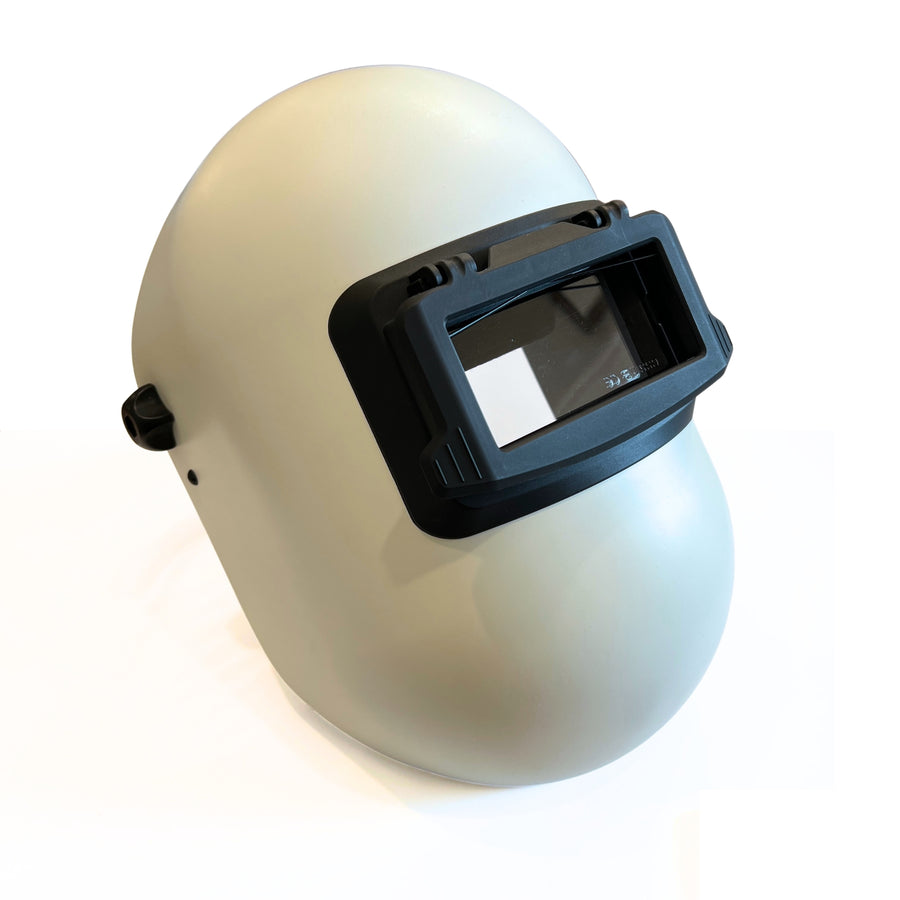
Pipeline and structural welders who work outdoors in all kinds of weather often rely on rugged pipeliner welder hoods built to take abuse on site.
AC vs DC Welding in the Rain: What's More Dangerous?
When comparing AC and DC for outdoor welding in wet conditions, AC is widely considered more hazardous. AC alternates, which can cause muscles to contract and make it impossible to let go of the energized source. DC, while still carrying extreme shock and burn risks, is less likely to cause the "can't let go" phenomenon, but it is certainly not safe in the wet.
Portable machines can have their own set of issues in the rain, often possessing less stable grounding than shop-based systems. While voltage differences between different processes matter, any machine capable of maintaining a welding arc can deliver a lethal electric shock if proper precautions are not taken in moist conditions.
How to Weld in All Weather Conditions
Before striking an arc, invest time in preparation so you can weld safely in all weather conditions:
-
Establish a Dry Habitat: Whether dealing with rain, snow, or high humidity, you must create a sheltered area using flame-resistant tarps or specialized welding tents. Keeping the weld area and your welding equipment in a dry environment is the only way to maintain safety and ensure weld integrity.
-
Select the Right Welding Process: For outdoor welding in harsh environments, avoid TIG or MIG welding, as the wind and moisture will ruin your shielding gas. Instead, opt for stick or flux-cored arc welding, which are far more forgiving in inclement weather and maintain better arc stability.
-
Prioritize Thermal Preparation: In cold weather welding, use a torch to preheat the metal and drive off surface moisture. This step prevents thermal shock and reduces the risk of hydrogen embrittlement, which often leads to weak welds and porosity in cold conditions.
-
Monitor Personal Protective Equipment: Always wear waterproof gear, including rubber-soled boots and insulated gloves, to mitigate the risk of electric shock. If your protective clothing or safety gear becomes saturated with sweat or water, stop the welding work immediately to change and stay dry.
-
Verify Proper Grounding: In wet conditions, ensure your ground clamp is secured to clean, dry material as close to the arc as possible. Proper grounding ensures that electrical currents follow the intended path through the metal rather than traveling through the welder.
If you also weld aluminum outdoors or in variable weather, make sure you understand its unique heat control and cleanliness requirements by checking this full aluminum welding guide.

When You Should Stop Welding Completely
-
Heavy Rain or Soaked Work Surfaces: If rain creates standing water on your metal, stop. The risk of electrical shock and the certainty of poor weld quality make continuing pointless.
-
Thunderstorms or Lightning Nearby: Your equipment and the metal you're working on are highly conductive. Being in an open area during a storm is a life-threatening electrical hazard.
-
No Dry Shelter Available: Without a sheltered area using tarps or a tent, don't weld. You need a dry environment for both welding equipment and your body.
-
Equipment Shows Signs of Moisture Damage: Strange noises or steam from cables mean shut it down immediately.
-
Visibility Becomes Too Poor: Steam from rain hitting hot metal clouds the weld pool. If you can't see clearly, you're guessing, which leads to weak welds and failed inspections.
Regulatory Standards
Occupational Safety and Health Administration (OSHA)'s General Duty Clause makes it clear that welding in a downpour constitutes a safety violation when the risks haven’t been reduced. OSHA requires proper grounding and GFCIs where possible, with employers responsible for ensuring safe working conditions. You have the right to refuse welding work you believe will compromise safety.
While OSHA does not explicitly ban welding in rain, it mandates that the environment must be safe from shock. Welding codes (e.g., AWS D1.1) provide strict minimum temperature and moisture guidelines.
Go/No-Go Checklist for Welding in Weather
Phase 1: Environmental Safety (The "Life" Check)
If any of these are "No," the job is a NO-GO.
-
Shelter: Is there a flame-resistant tent or overhead tarp preventing rain from hitting the machine, the cables, and the weld joint?
-
Standing Water: Is the welder standing on a dry surface (wooden pallet, rubber mat, or dry ground)?
-
Lightning: Is the area free of lightning or thunder for at least 30 minutes?
-
Cables: Are all welding leads free of cracks, taped joints, or exposed copper?
Phase 2: Personal Protection (The "Shock" Check)
If any of these are "No," the job is a NO-GO.
-
Dry Gear: Are the welder’s leather gloves bone-dry? (Wet leather = zero electrical resistance).
-
Clothing: Is the welder's clothing dry from both rain and excessive sweat?
-
Footwear: Is the welder wearing rubber-soled, EH-rated (Electrical Hazard) safety boots?
-
Secondary Protection: If using AC, is there a Voltage Reduction Device (VRD) active on the machine?
Phase 3: Metallurgical Integrity (The "Quality" Check)
If any of these are "No," the weld will likely fail inspection.
-
Process Selection: Are you using SMAW (Stick) or FCAW-S (Self-Shielded Flux Core)? (MIG/TIG should be avoided).
-
Thermal Prep: Is a rosebud torch available to preheat the steel to at least 250°F (120°C) to drive off deep-seated moisture?
-
Consumables: Are electrodes being pulled directly from a heated rod oven? (Standard 7018 rods "ruin" in as little as 4 hours in high humidity).
-
Wind: Is the wind speed below 5 mph? (Even with flux, high wind can cause porosity.)
Critical Safety Note on AC vs. DC
If you must weld in the rain, switch your machine to DC (Direct Current). As noted in the fact-check, AC is significantly more dangerous in wet conditions because it can cause a "tetanic contraction" (the "can't let go" effect) at much lower voltages than DC.
If you’re working under codes and inspections, it also helps to stay fluent in print and symbol language; this weld symbol chart guide is a handy reference.
Frequently Asked Questions
Can You Weld In the Rain Without Getting Electrocuted?
Yes, but only with perfect insulation from both metal and ground. The risk is so high that professional sheltered setups and specialized waterproof gear are required.
Can You Weld In the Rain with A Mig Welder?
Technically, yes, but shielding gas displacement and moisture contamination will cause immediate porosity, making the weld structurally unsound.
Can You Weld In the Rain On A Construction Site?
Most sites shut down welding operations during rain to avoid safety violations. If work continues, it's under heavy tarps using stick welding or flux-cored arc welding.
Does Rain Affect Welding Rods and Electrodes?
Absolutely. Moisture ruins the flux coating, leading to hydrogen embrittlement and porosity. Wet rods should be discarded or baked in a rod oven.
What Happens If Water Gets Into A Weld?
Water turns to steam, creating gas pockets (porosity) and introducing hydrogen, leading to a brittle, cracked joint that cannot be trusted.
Is It Illegal to Weld In the Rain?
It isn't explicitly illegal, but it frequently violates OSHA's electrical hazard standards, risking heavy fines and site shutdowns.
Can You Weld In Hot Environments?
Welding in hot environments presents unique challenges. High temperatures can negatively impact weld quality by increasing the risk of warping and making it harder to control the weld pool. Also, welders must stay hydrated to avoid heat exhaustion and take safety measures such as wearing breathable protective gear.
Conclusion
Welding in the rain is a high-stakes gamble that rarely pays off. While technically possible with the right welding techniques and a dry sheltered area, the risk of electric shock and poor weld quality is usually too high to justify any time saved. Electrical safety must always be the top priority, and moisture is the primary enemy of weld integrity.
If you must work in harsh environments, prioritize preparation. Use stick welding, wear all personal protective equipment, and ensure your work area stays as dry as possible. If conditions worsen, the smartest move is to kill the power and wait. No welding work is worth your life.
References
American Welding Society. (2020). AWS D1.1/D1.1M:2020 structural welding code – steel.
American Welding Society. (2014). Safety and health fact sheet no. 4: High-radiation and electrical hazards.
Occupational Safety and Health Administration. (n.d.). General requirements: Welding, cutting, and brazing (29 CFR 1910.252). U.S. Department of Labor.